Case Study
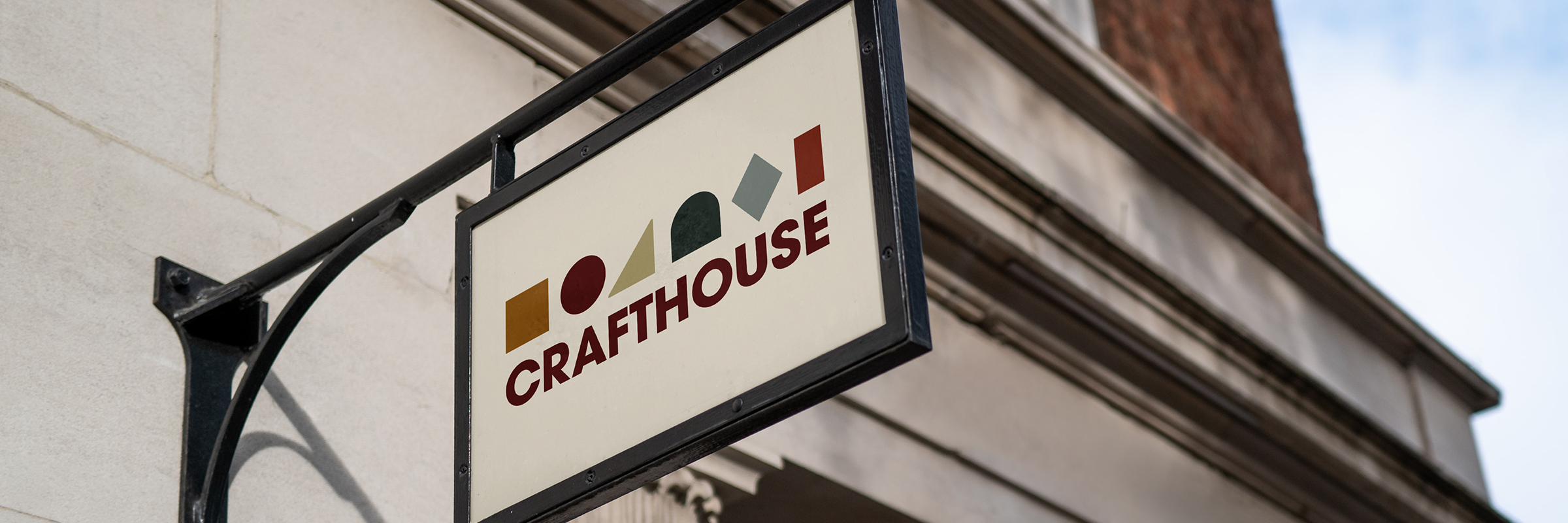
Crafthouse
A brand strategy case study for a local arts and artisan community organisation.
DISCOVERY pHASE – brief & RESEARCH
Intial Brief
Design a bespoke and unique logo and brand application that reflect the inspiration and values of Crafthouse
In this project issued by North Metropolitan TAFE, we were to assist a fictitious client who owns and operates a small business in Perth, with little or no experience in working with a graphic designer and without a written brief.
The client is modern, but operates with inspiration (philosophy) of craft inspired by William Morris and the arts and crafts movement.
Objective
We were asked to create a distinct, expressive, cohesive and engaging identity, while fulfilling the client’s creative, technical and intellectual property within budgetary requirements.
In addition to the above, the brand strategy had to be driven by William Morris’ quote — “without dignified creative human occupation people become disconnected from life.”
Target Audience
The creative collective’s audience come from all ages and backgrounds with the following traits — interested in learning something different, affluent but with sophisticated spending and tastes, articulate but not necessarily university educated, a cultural mix from ages 9 until 80 years old.
Technical Requirements
The identity could not feel generic or corporate.
Research
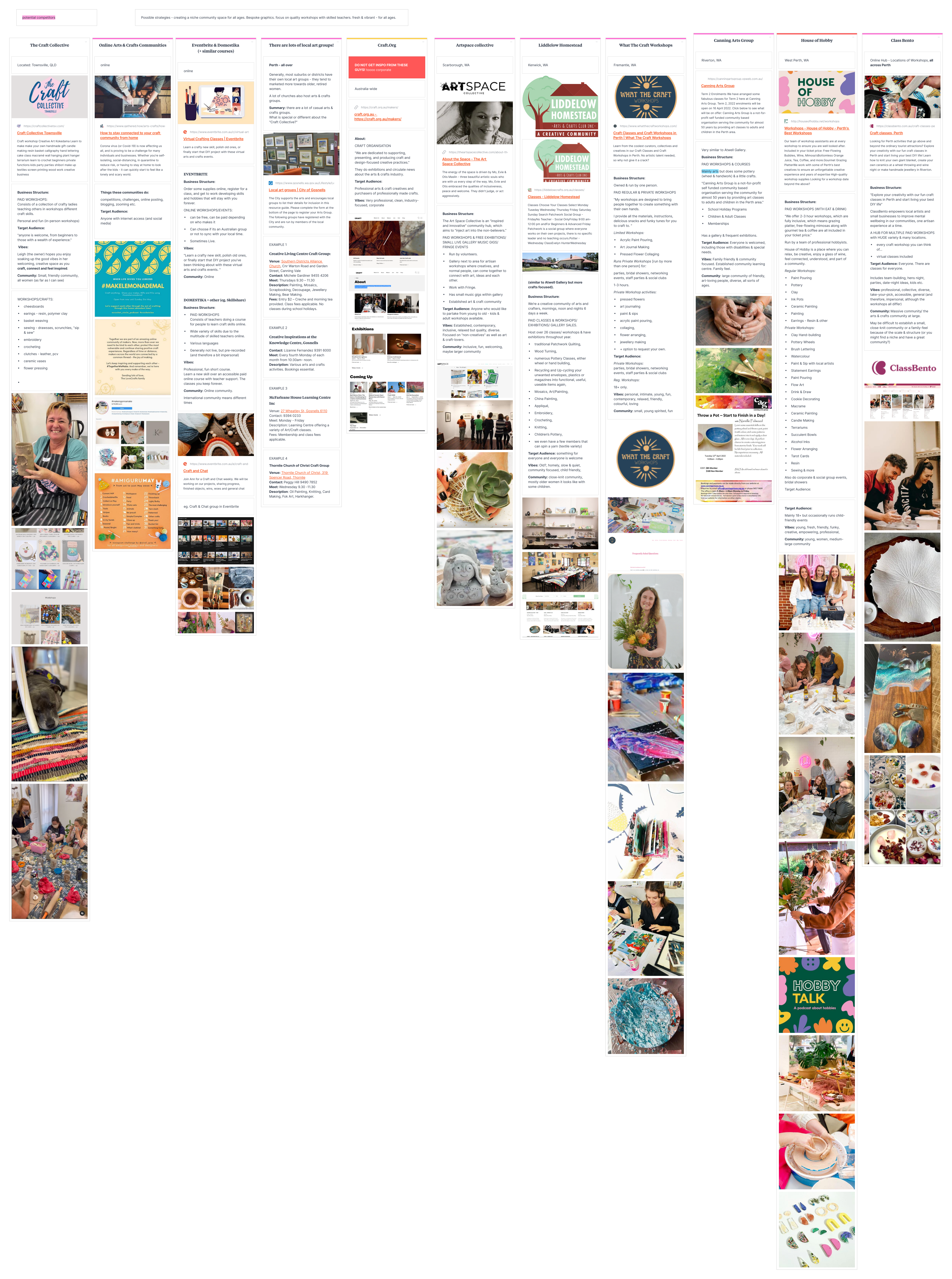
Research included current design trends in branding, the arts and crafts movement, local and international competitors. See the detailed research process here.
DESIGN PHASE – CONCEPT DEVELOPMENT
Sketches



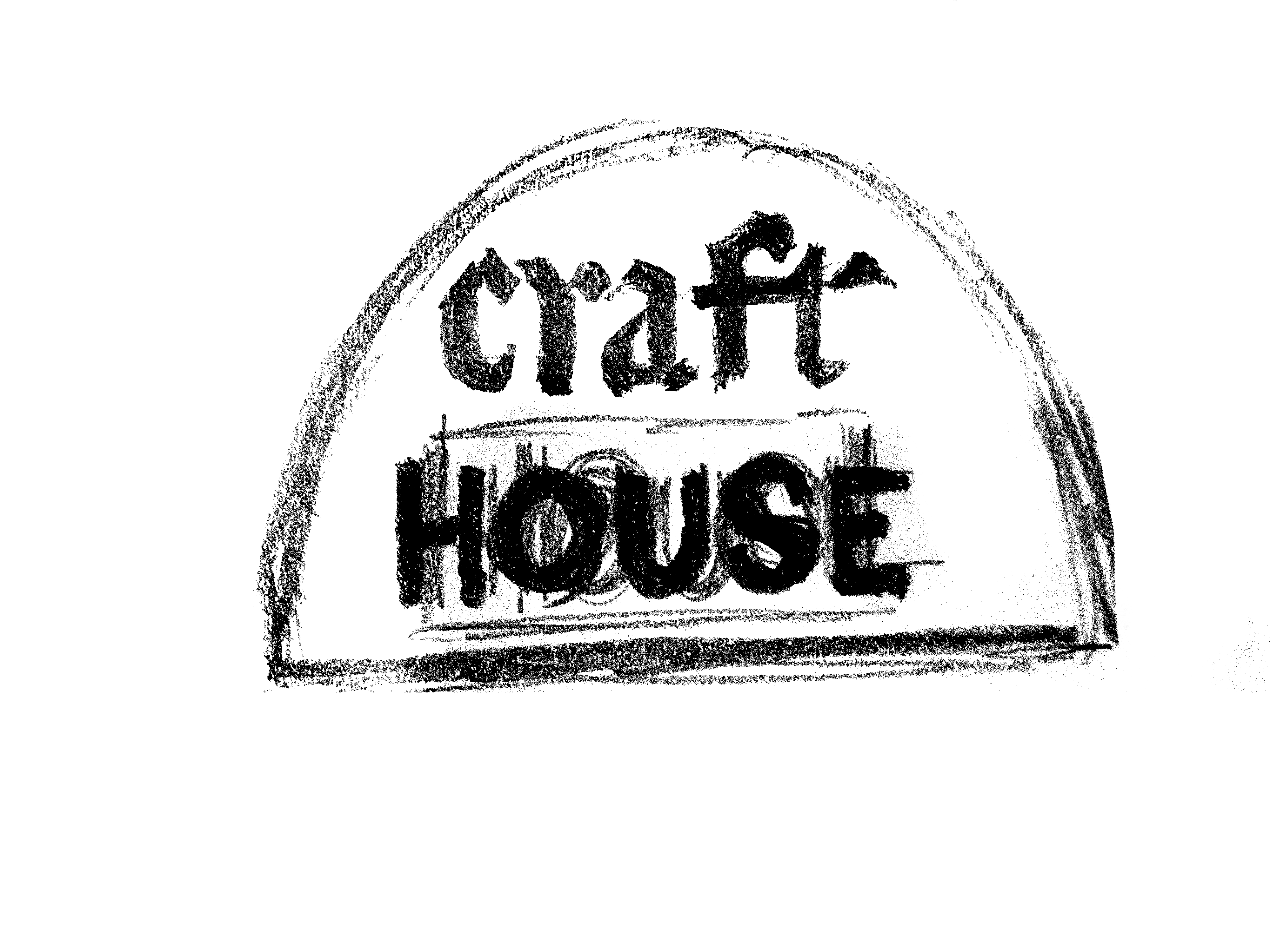
Hand drawing sketches is often the starting point of conceptual development in my process as I visually think though the goals of the project and insights gathered from the discovery phase.
DESIGN PHASE – CONCEPT DEVELOPMENT
Colour
Here, I begin thinking about fonts inspired by the arts and crafts movement, possible monograms and shapes that could reflect the spirit of the brand as well as house the logo in a way that could be applied to multiple applications.
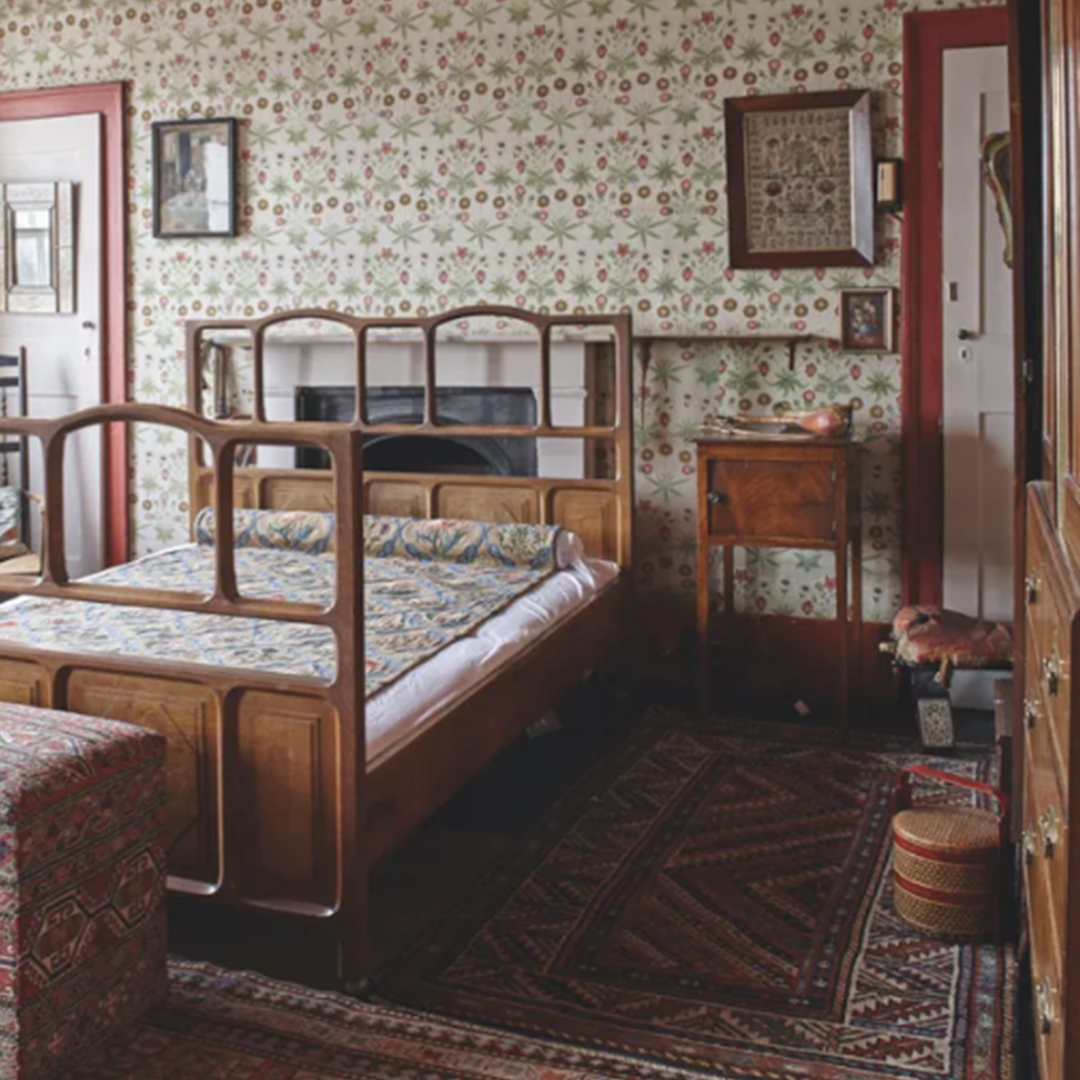
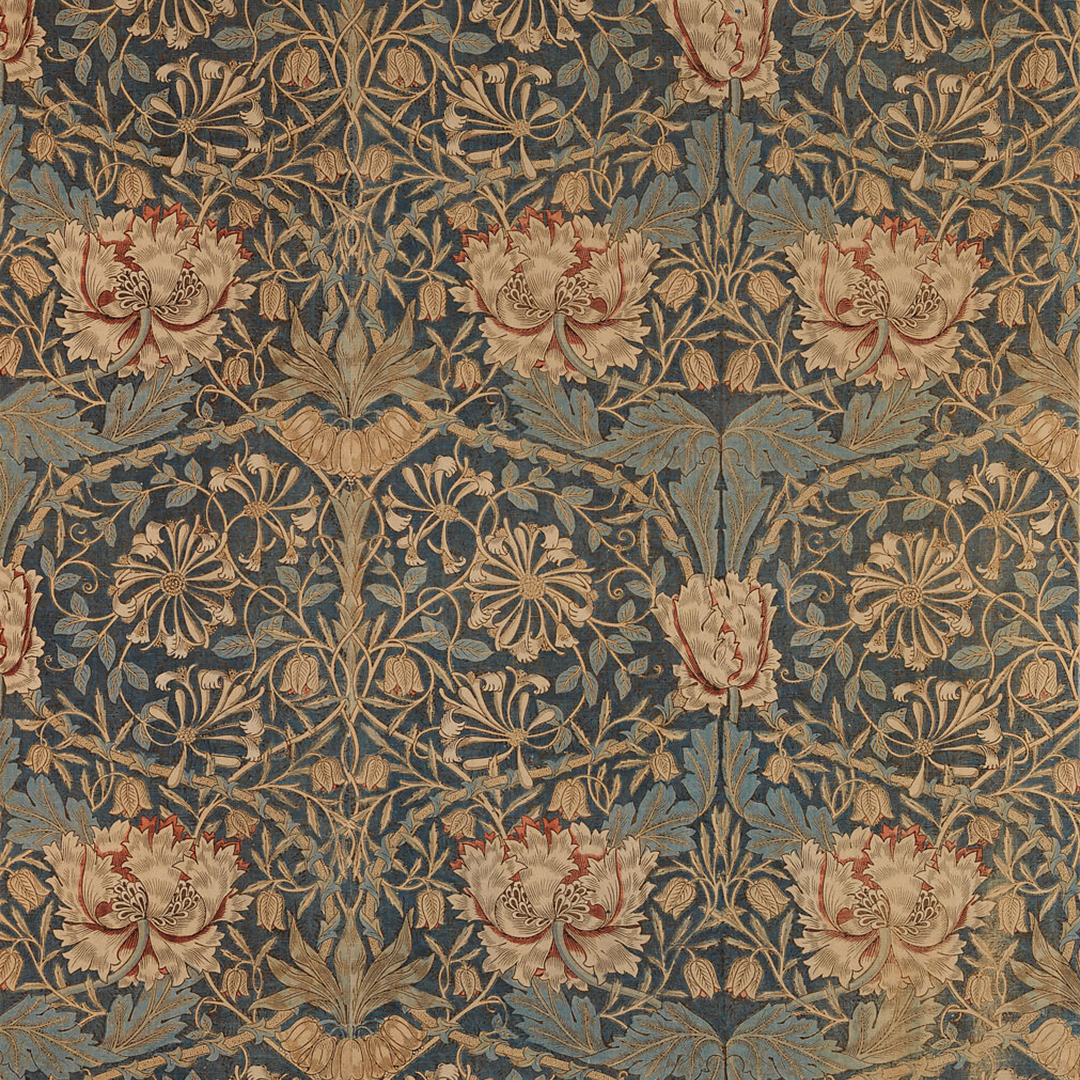
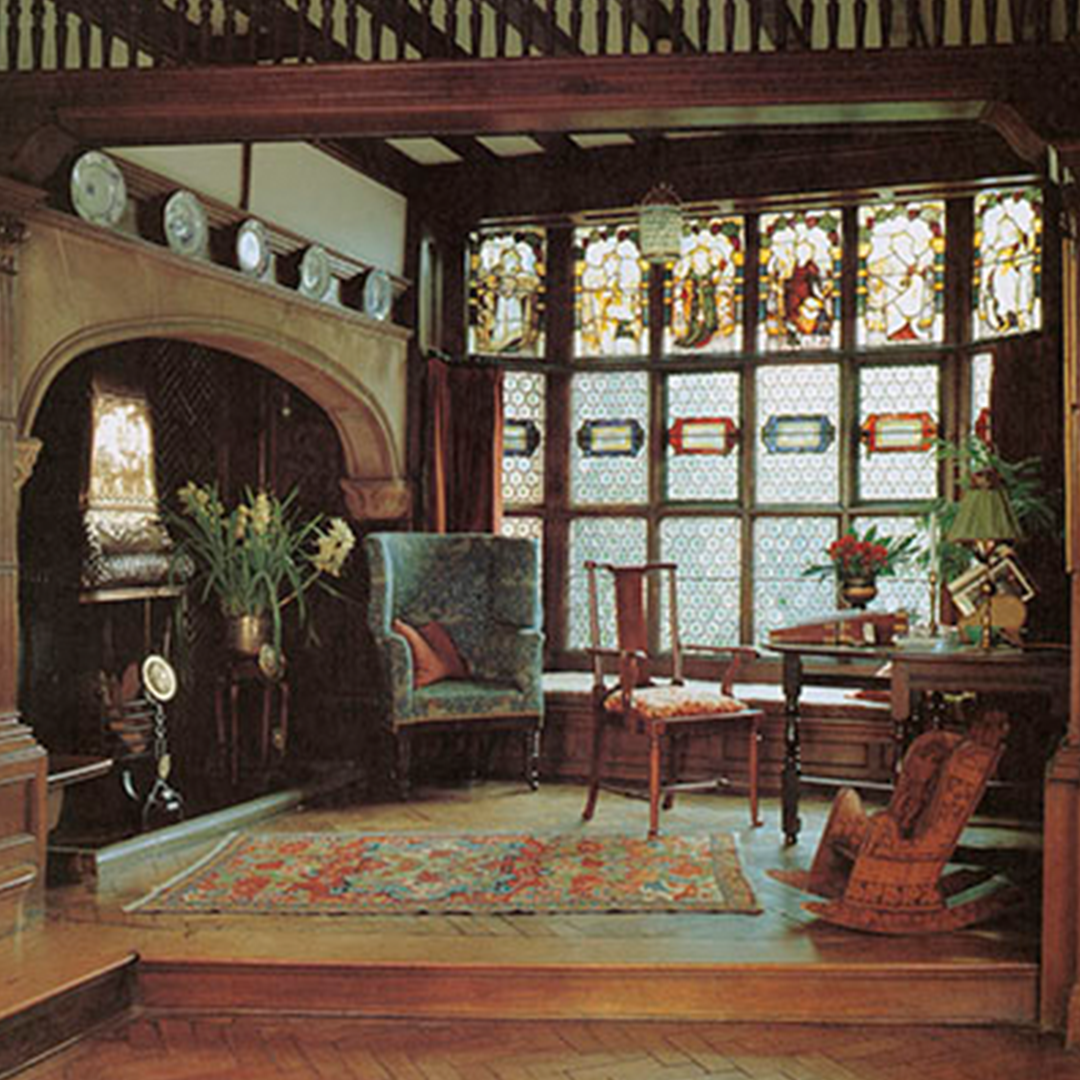
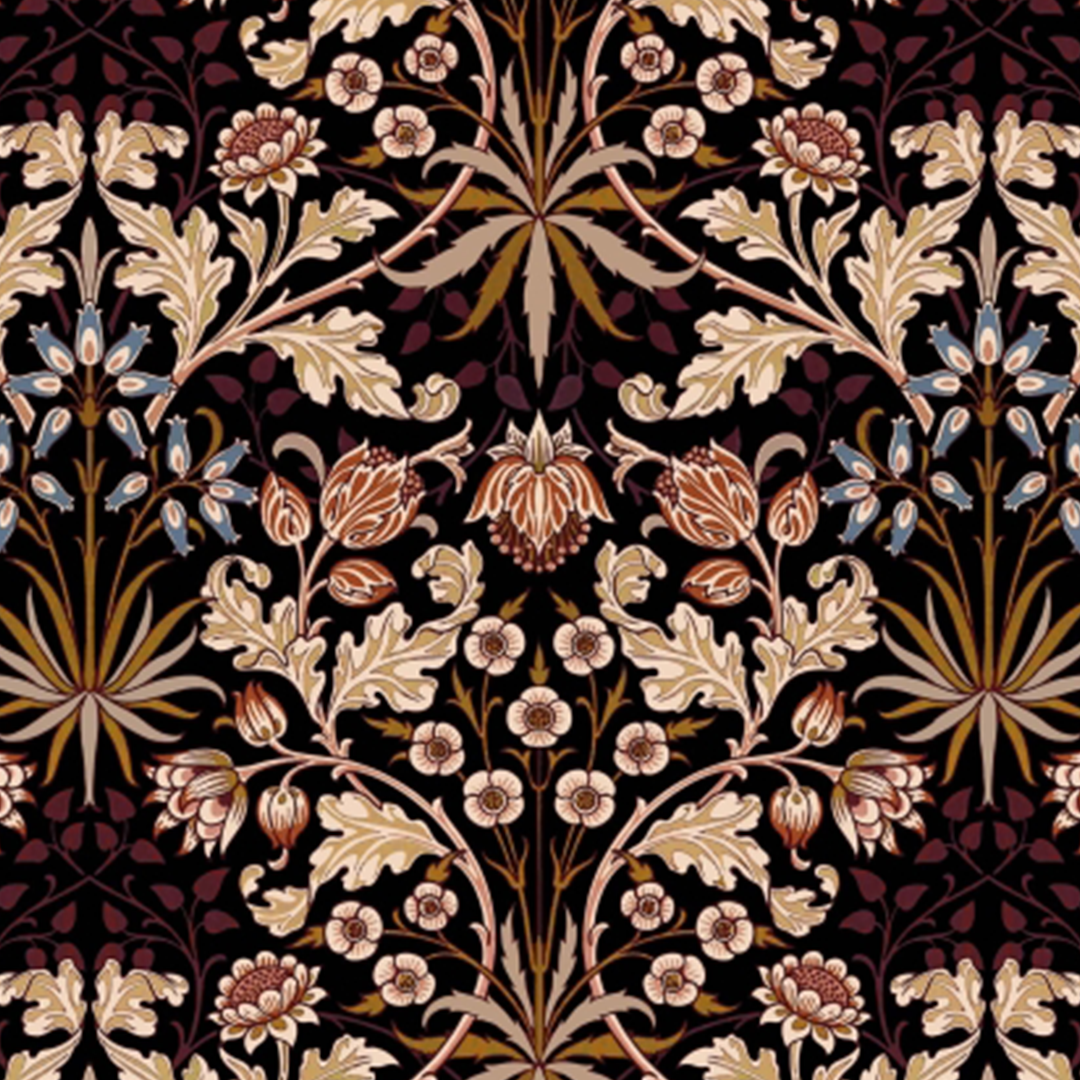
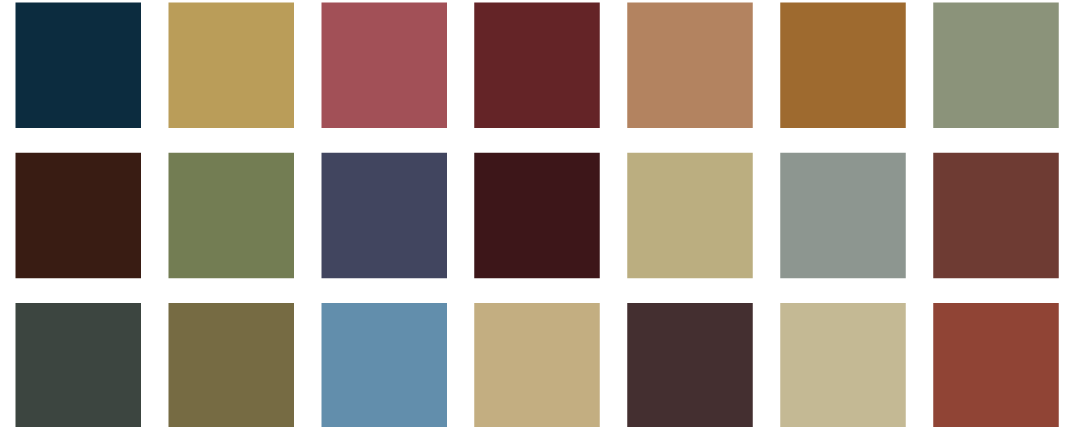
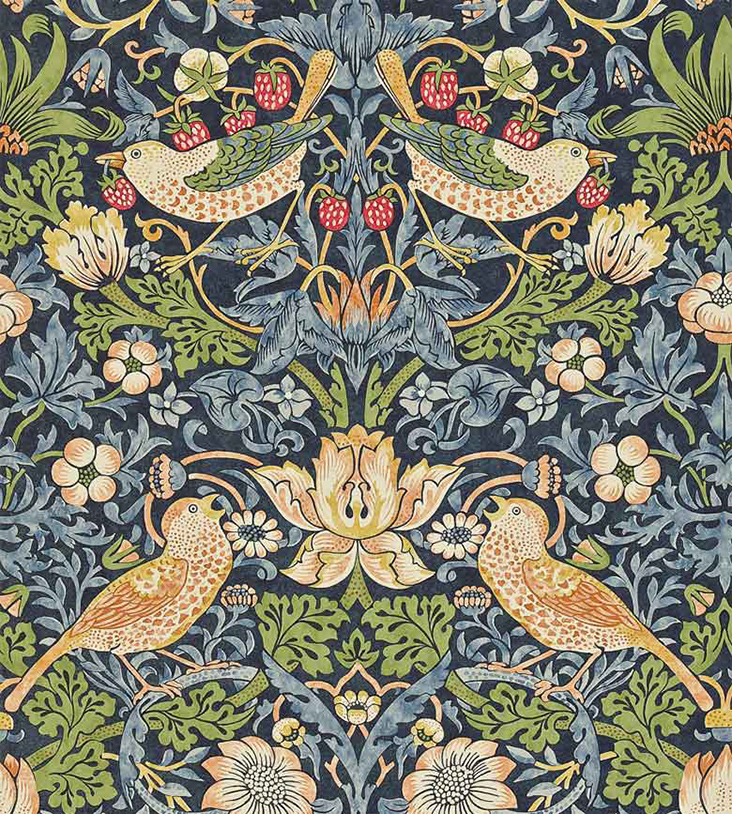
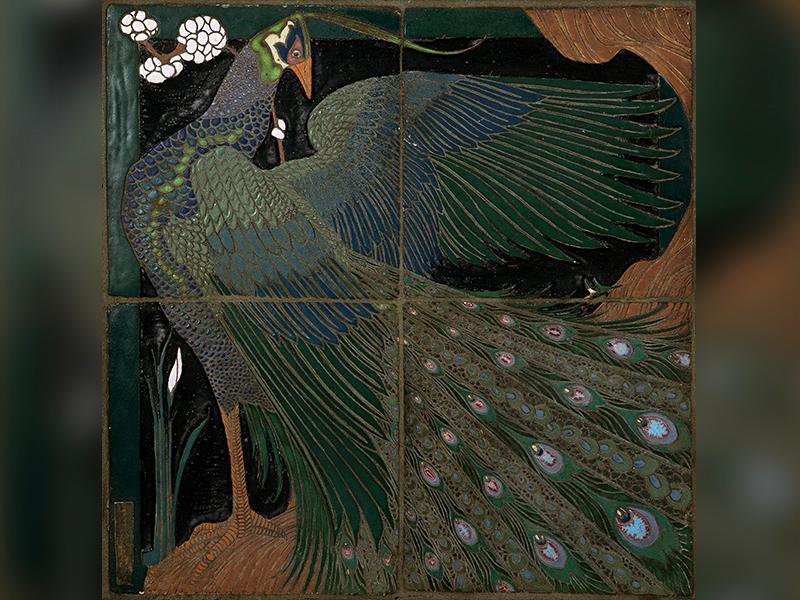
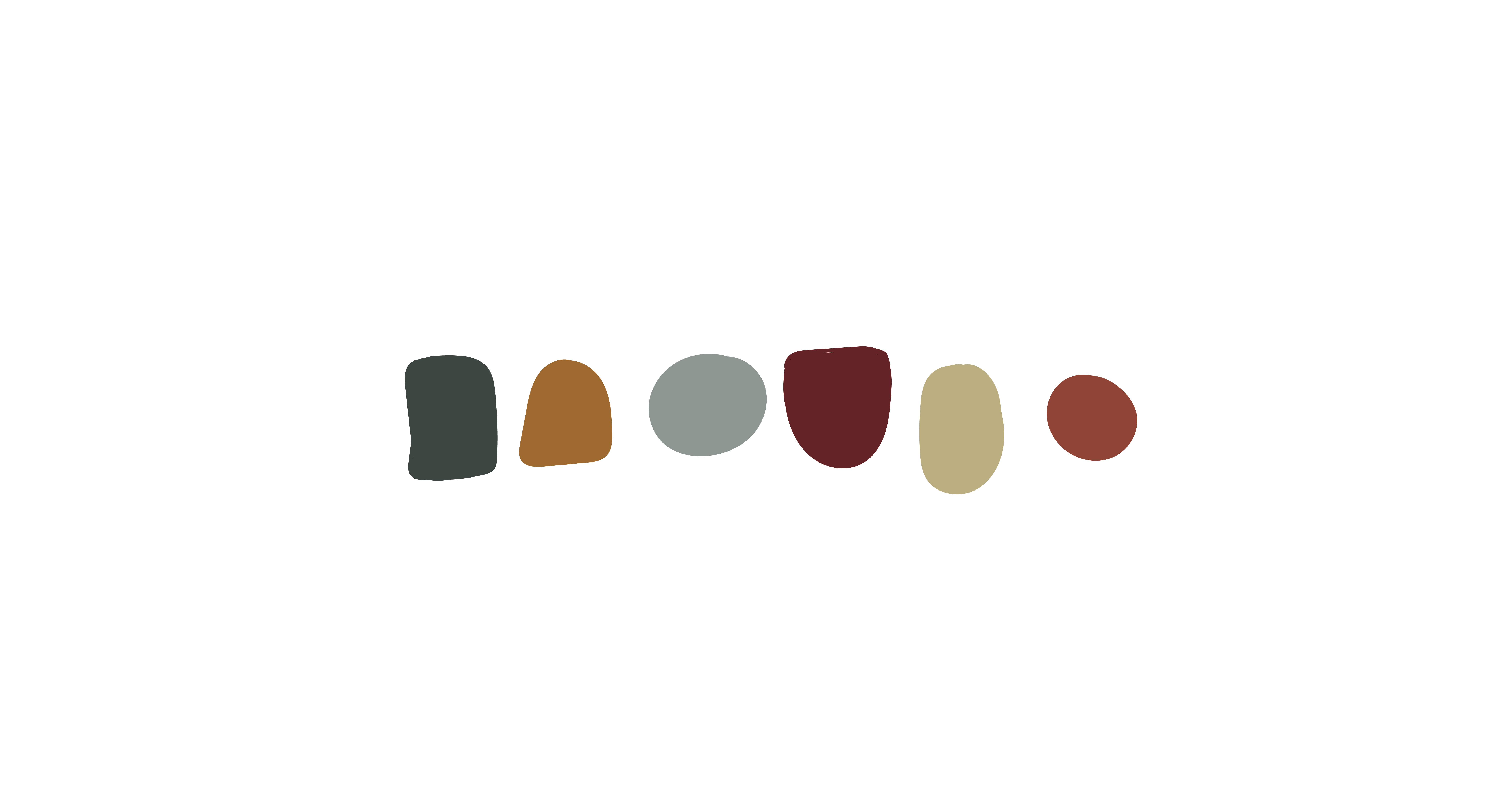
Taking inspiration from the Arts and Crafts Movement (sample reference images above), I developed colour palettes that felt both modern and organic, which could sit well in the 21st Century with a nod to its history.
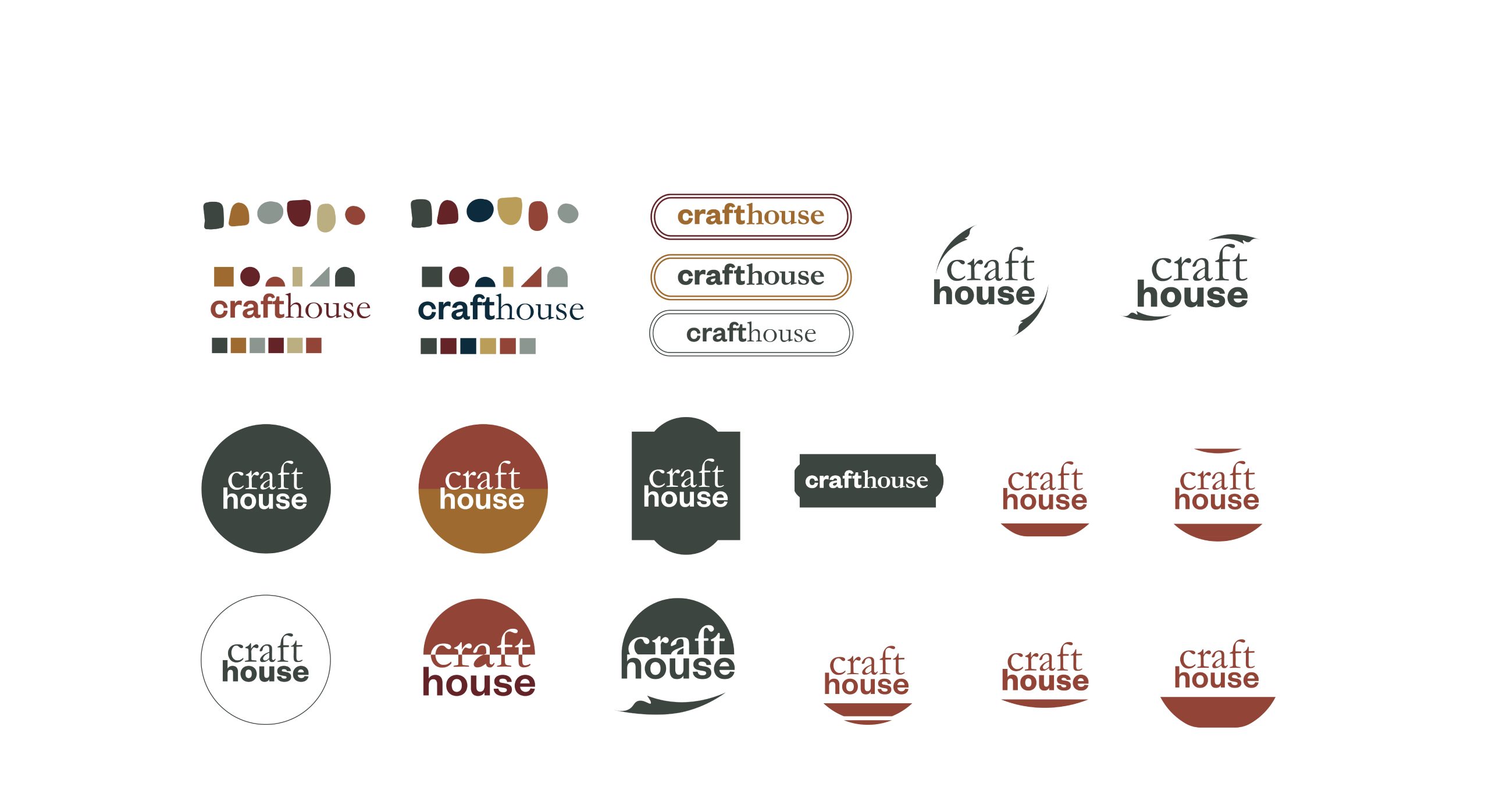
Different colour palettes were developed for different branding concepts, to explore the breadth of colour possibilities.
DESIGN PHASE – CONCEPT DEVELOPMENT
Typography
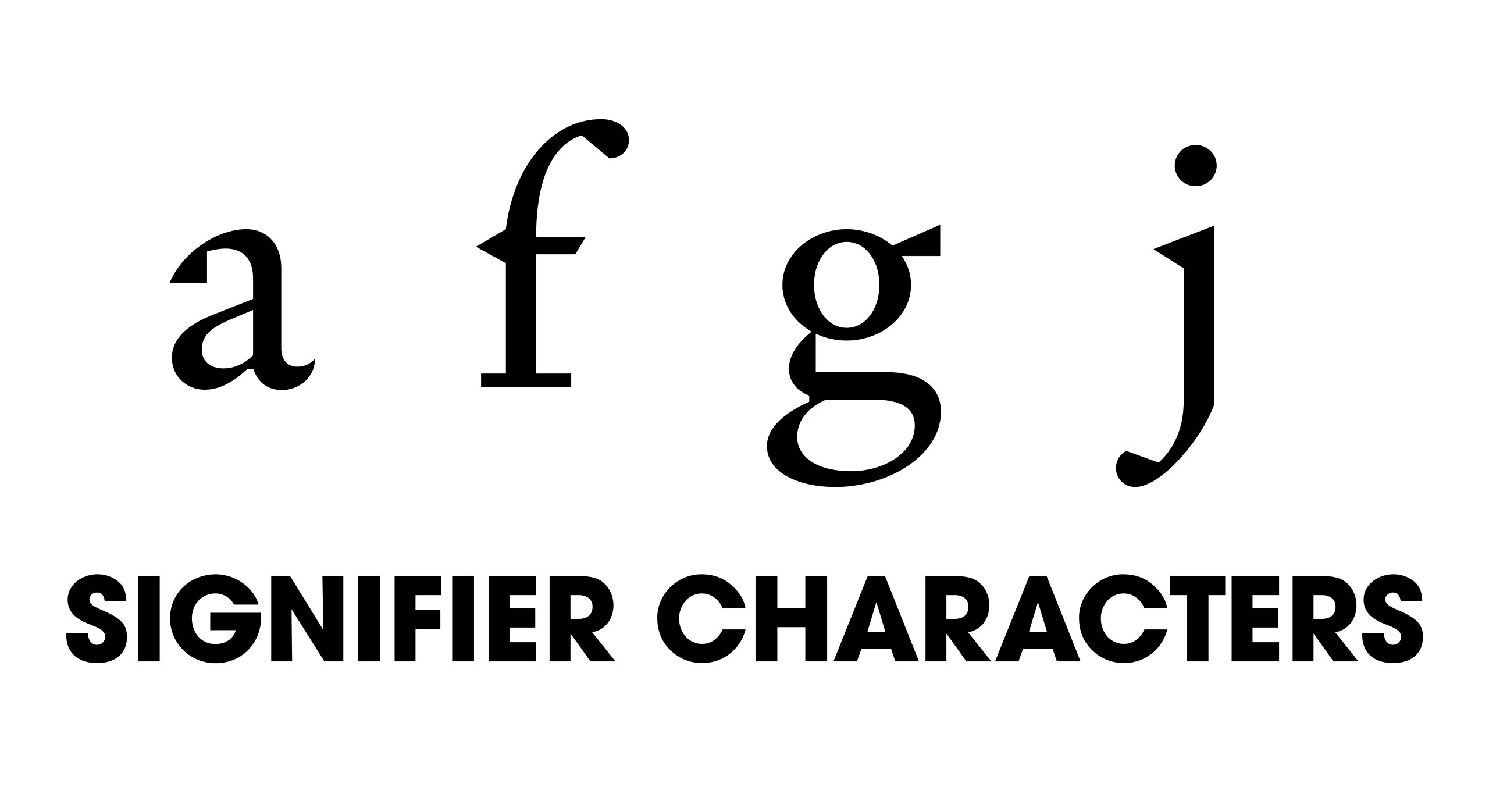
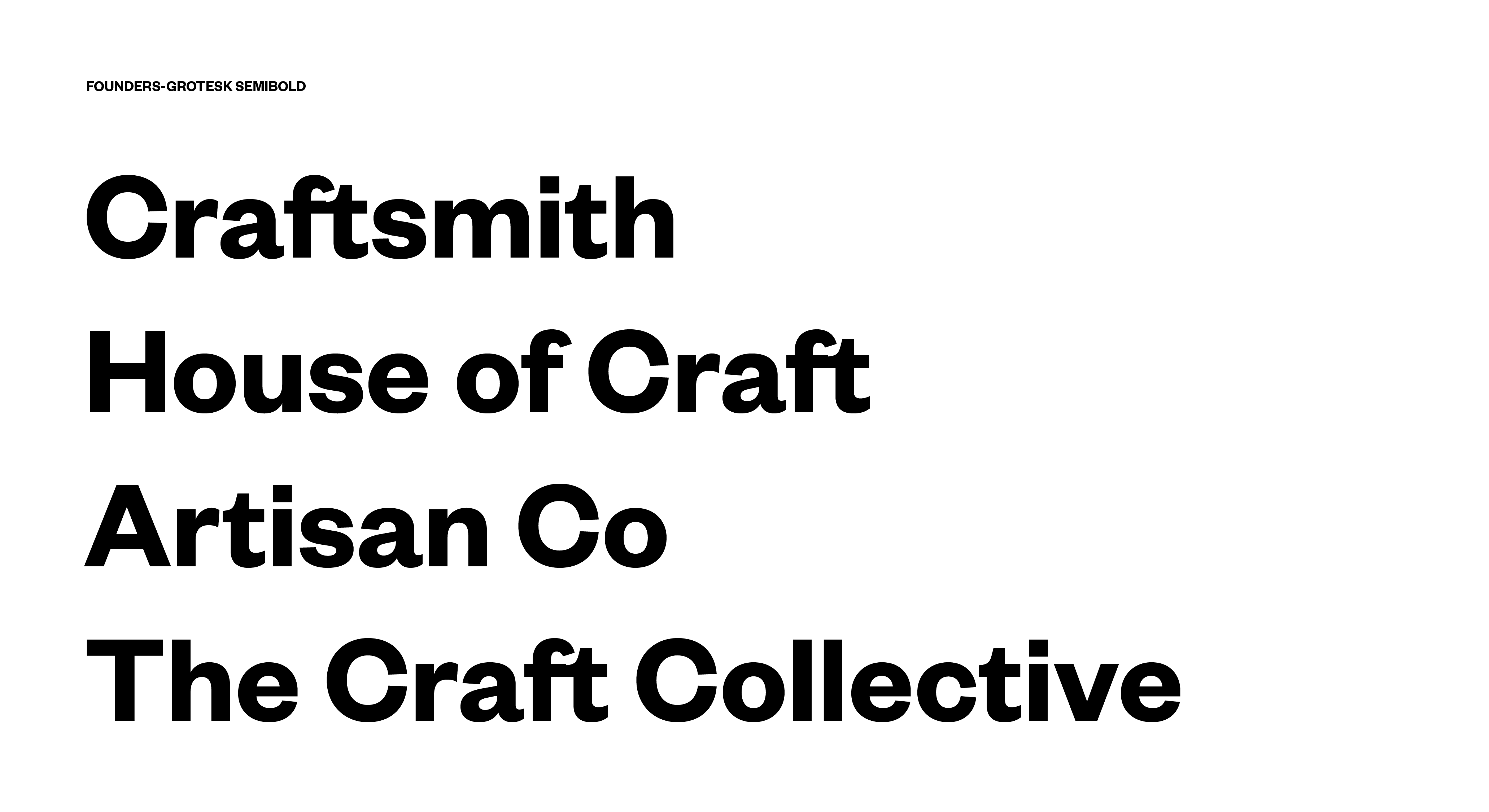
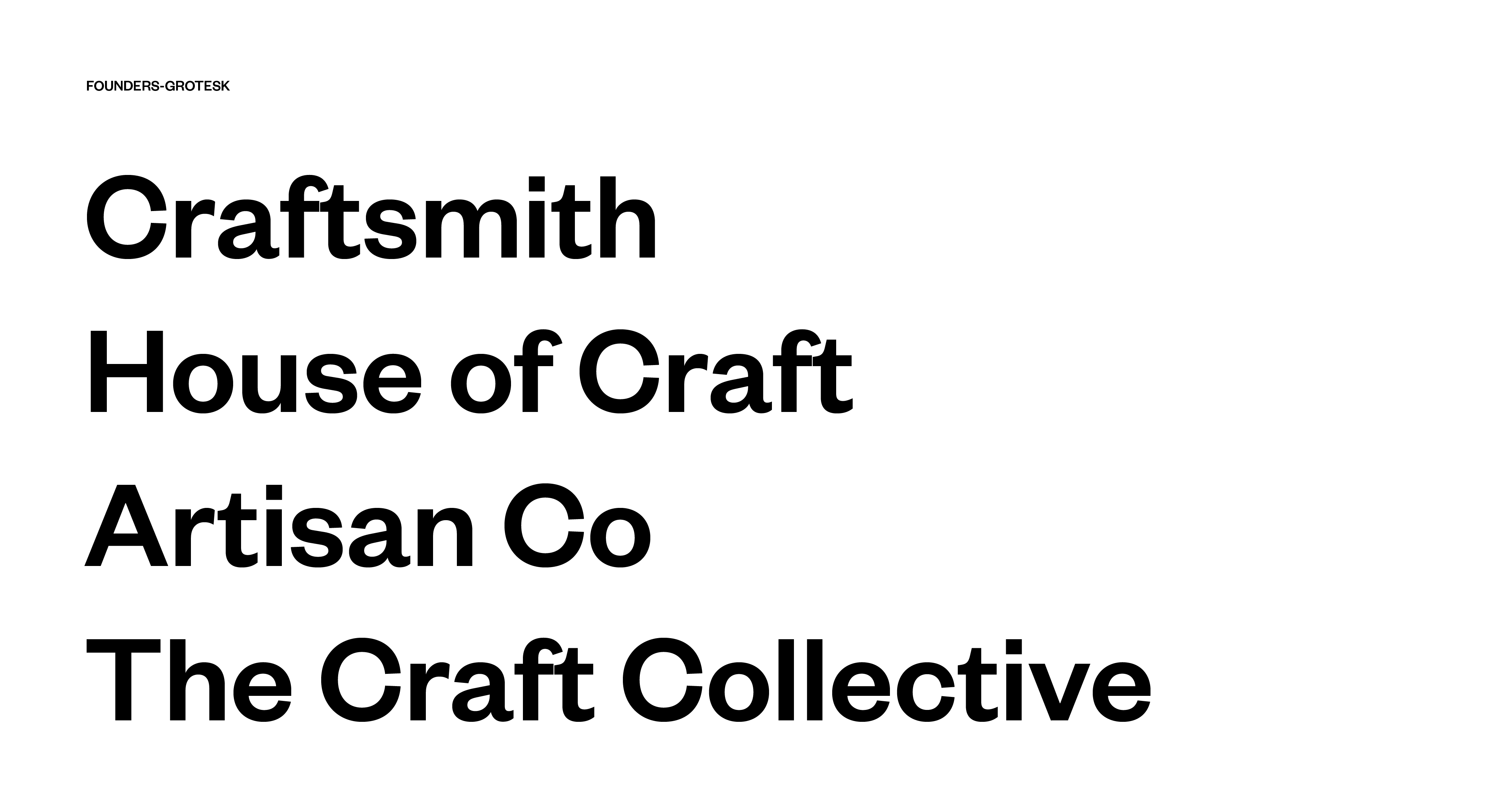
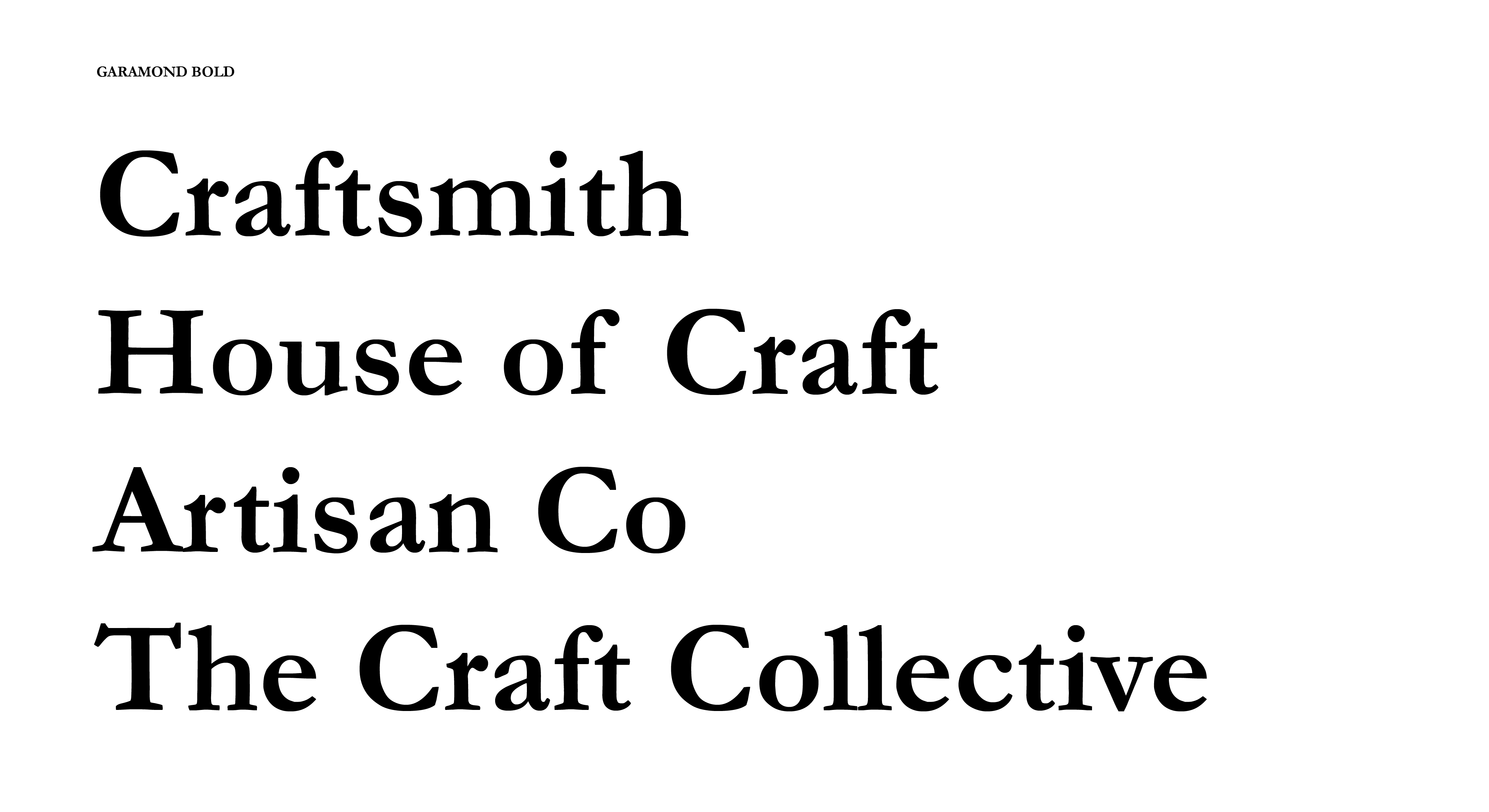
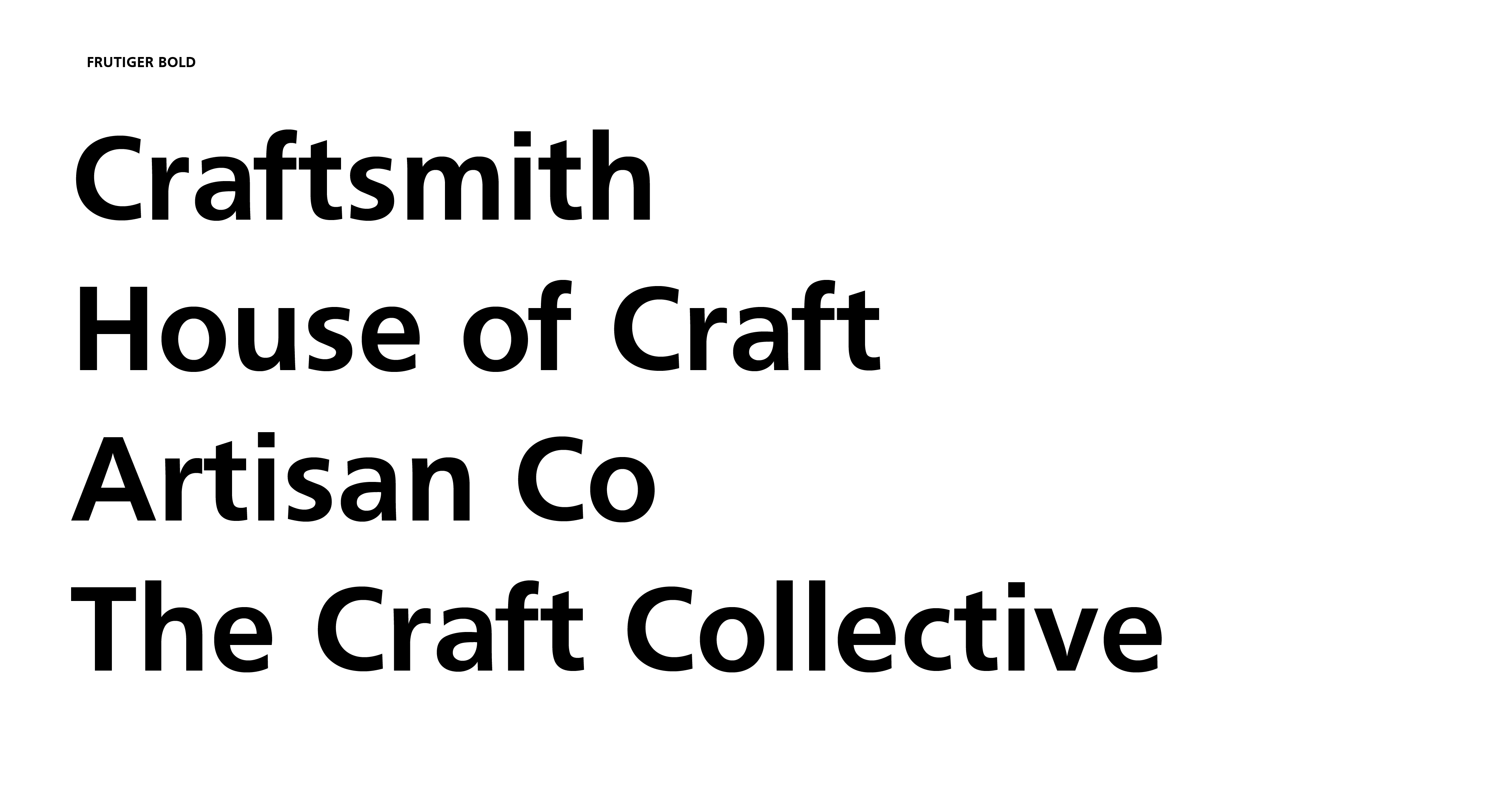
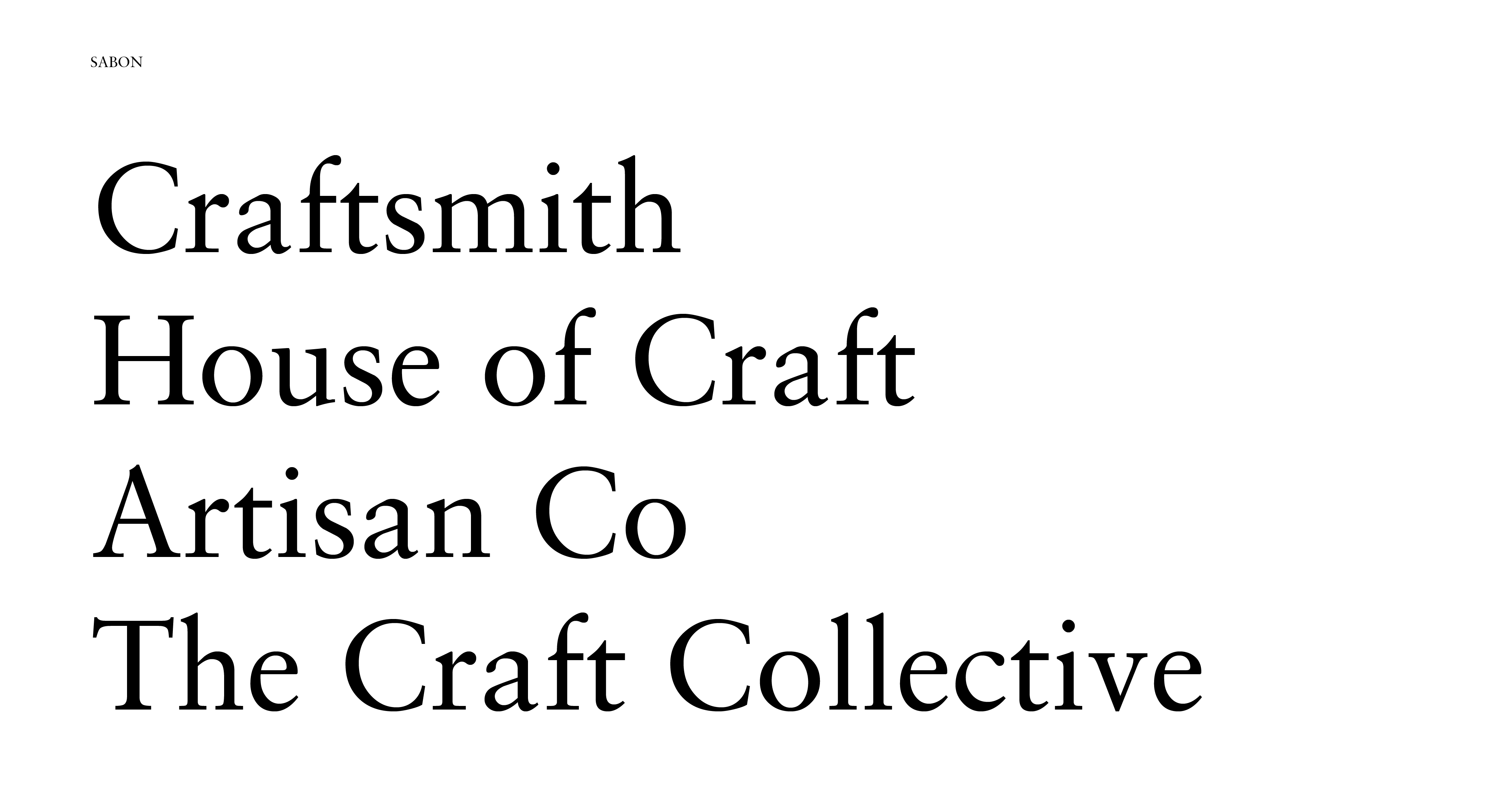
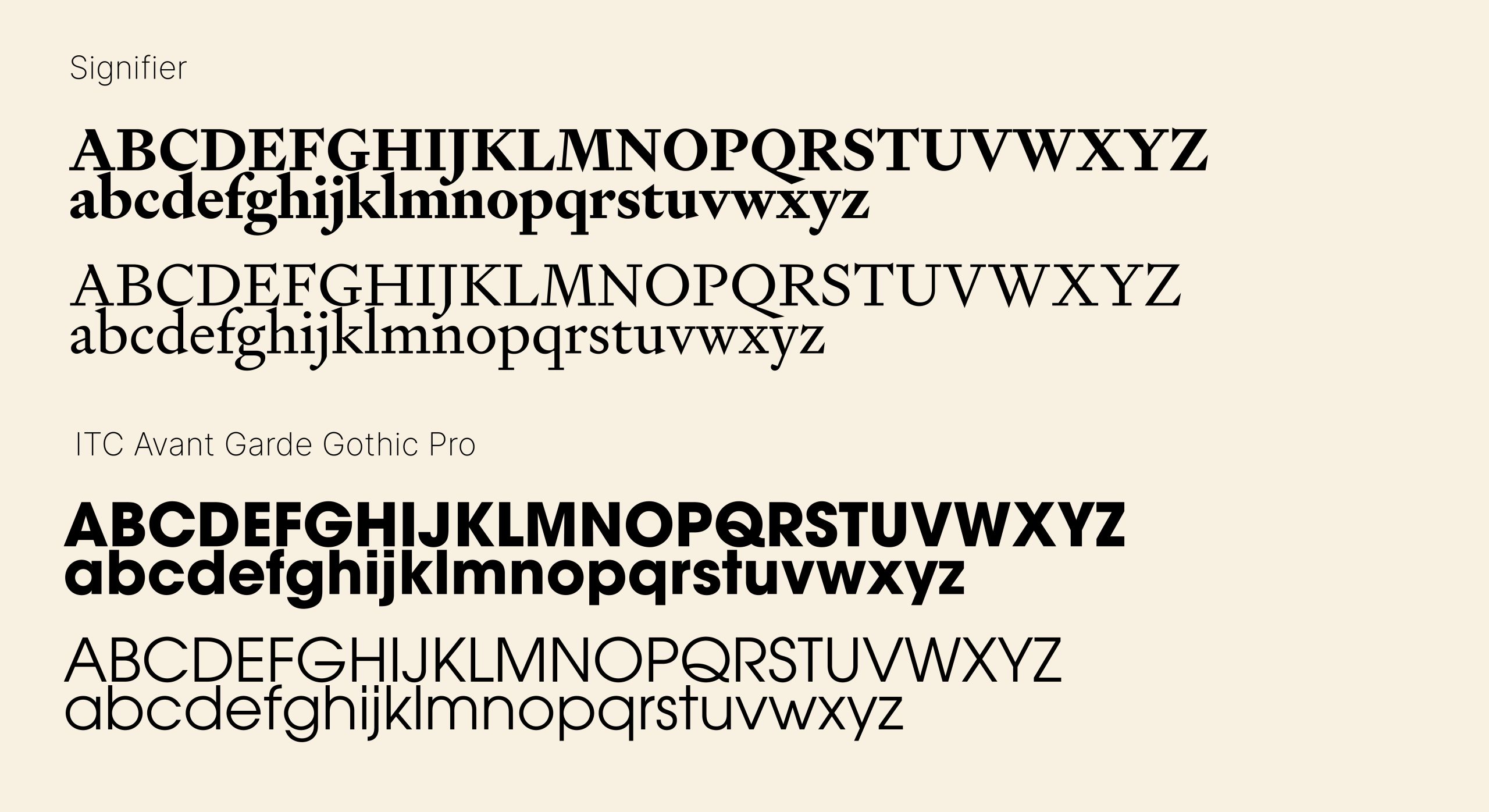
Humanist, Grotesk and Old-Style Serifs initially were the source of my typography research and experimentation with fonts such as Garamond and Gill Sans catching my interest due to their history or relevance to the project. Avant Garde was favoured later in one concept due to its rounded geometric shapes which suited the geometric shapes developed for the logo and branding system.
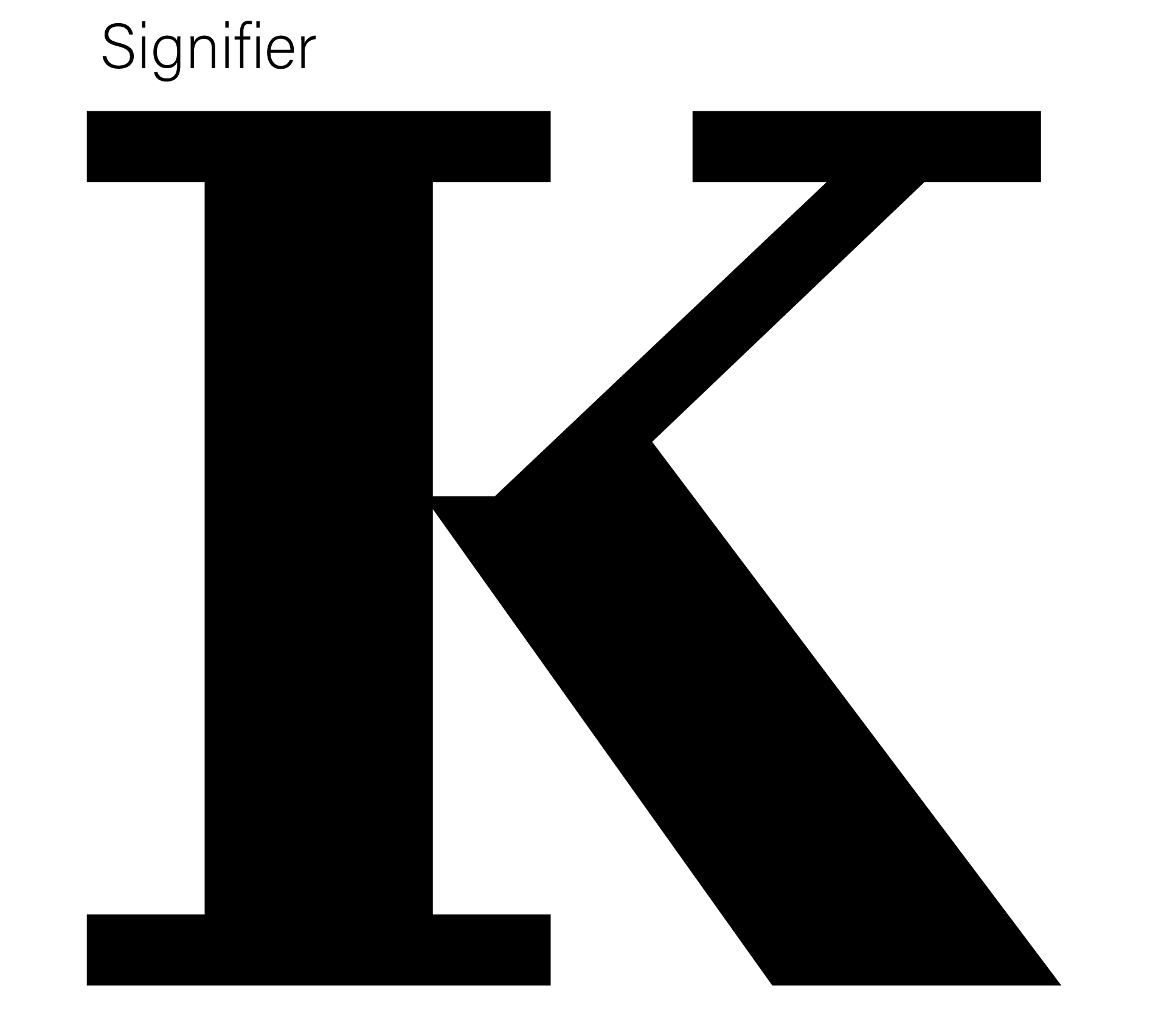
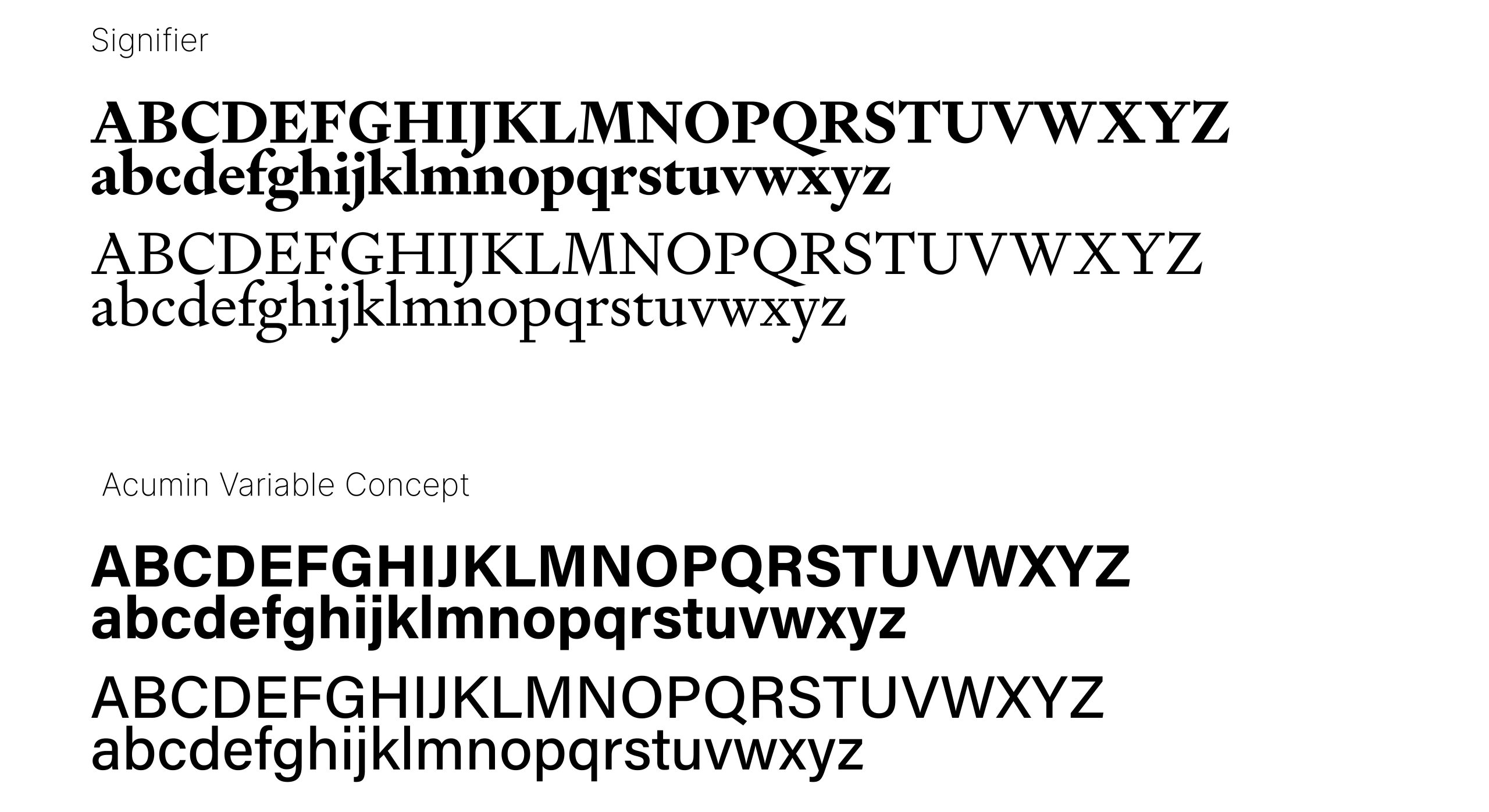
In order to keep the branding feeling modern, however, I also explored the use of more recently developed fonts such as Signifier from Klim Type Foundry, which has unique geometric terminals and characteristics that could serve well for headings and large text. Acumin, a neo-grotesque font, was also considered as body and header text for the brand suite due to its versatility and quality – it also pairs well with Signifier.
DESIGN PHASE – CONCEPT DEVELOPMENT
Digital Iteration
& Exploration
From sketching, colour exploration and typography research, I go onto digital iteration to find different ways of solving the design problem. Colour and typography exploration often continue throughout this stage as surprising ideas appear.
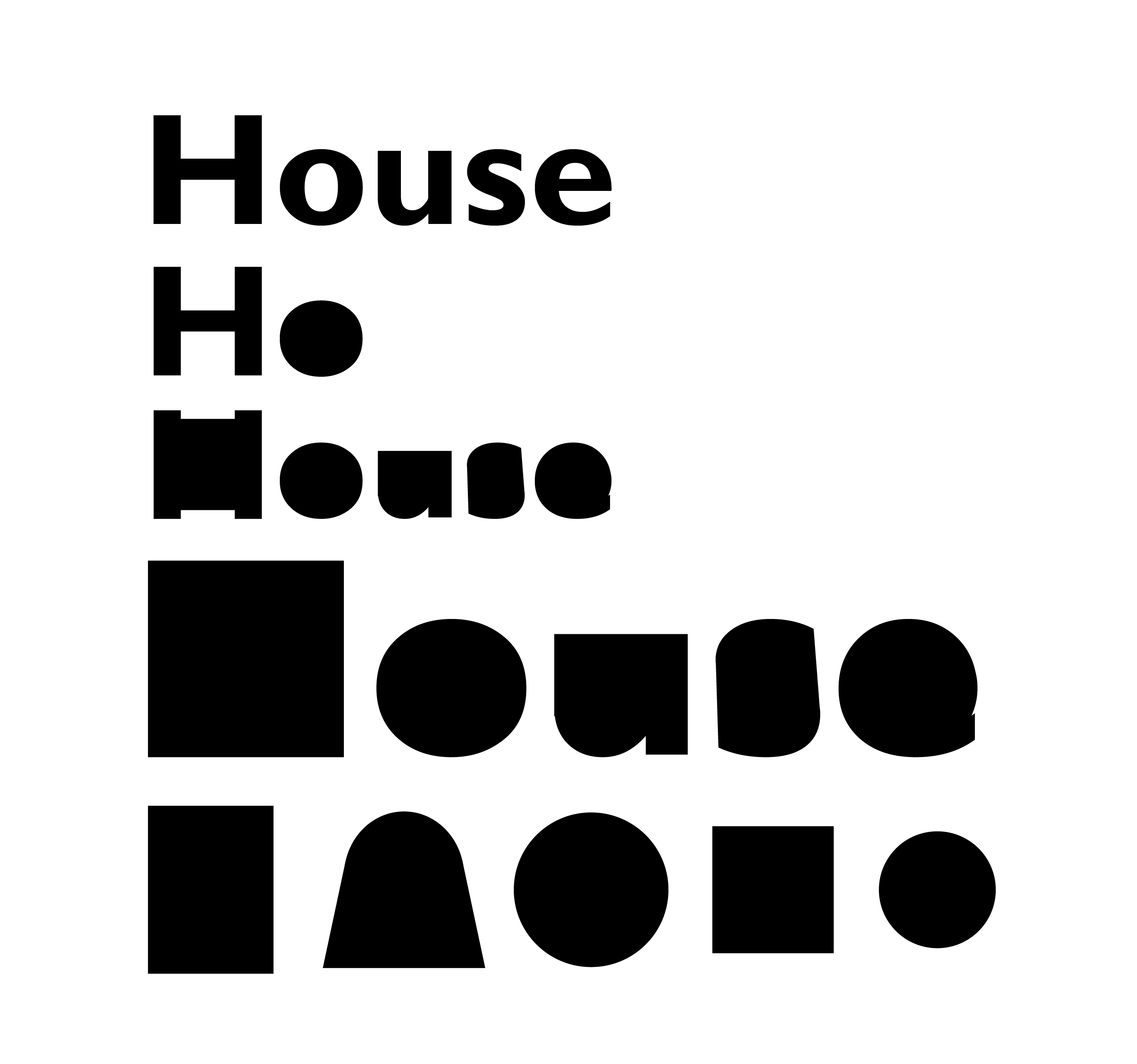
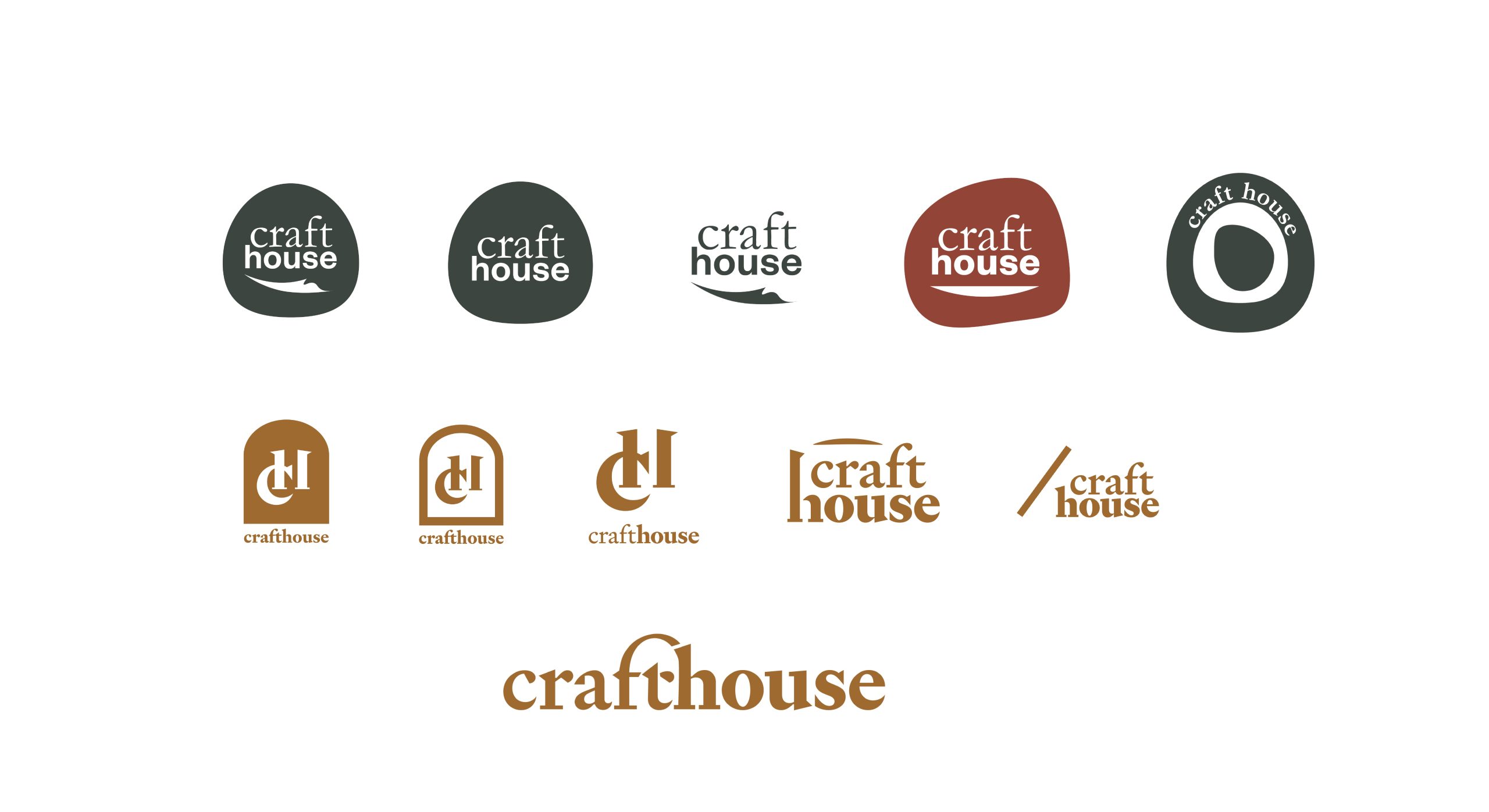
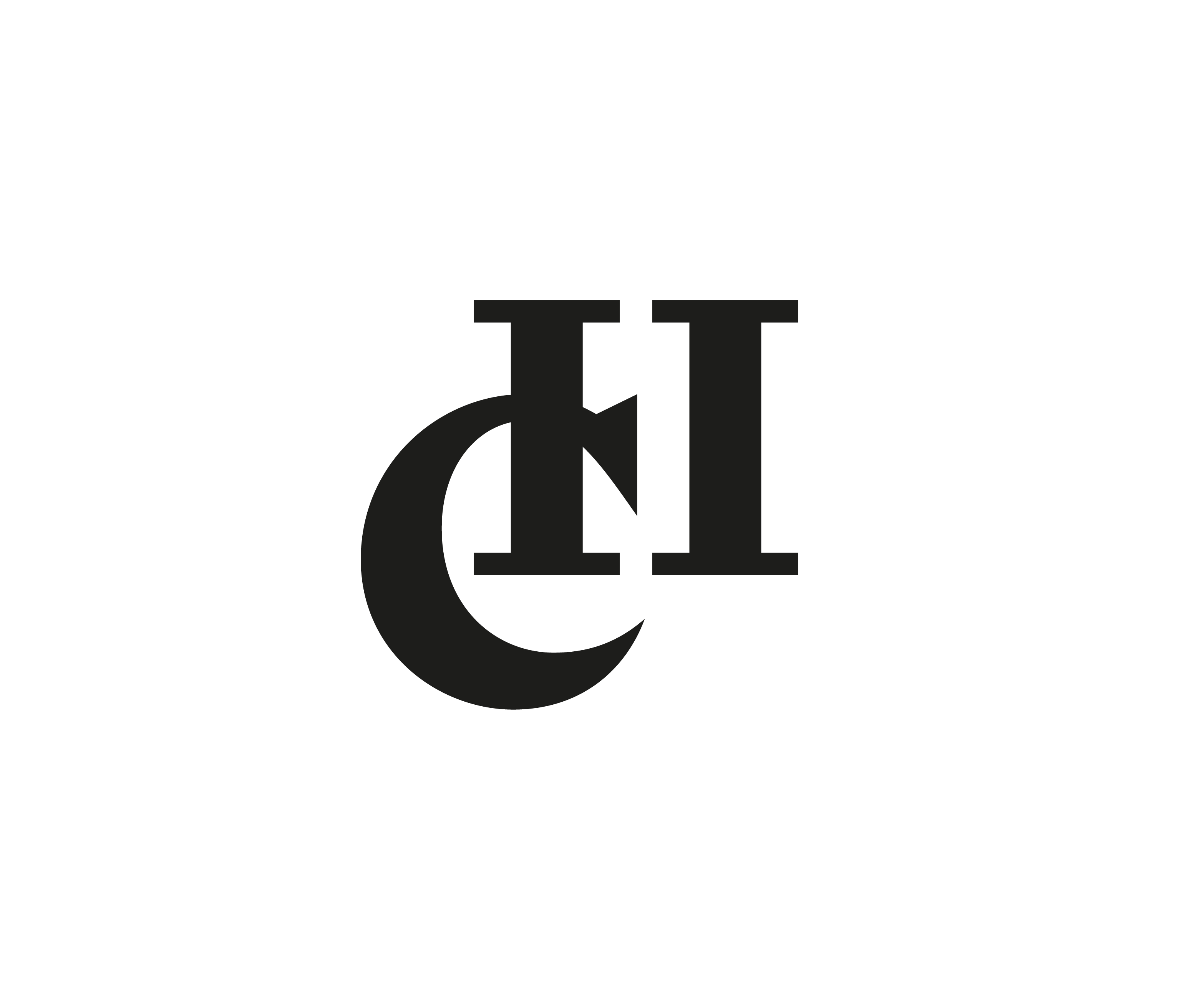
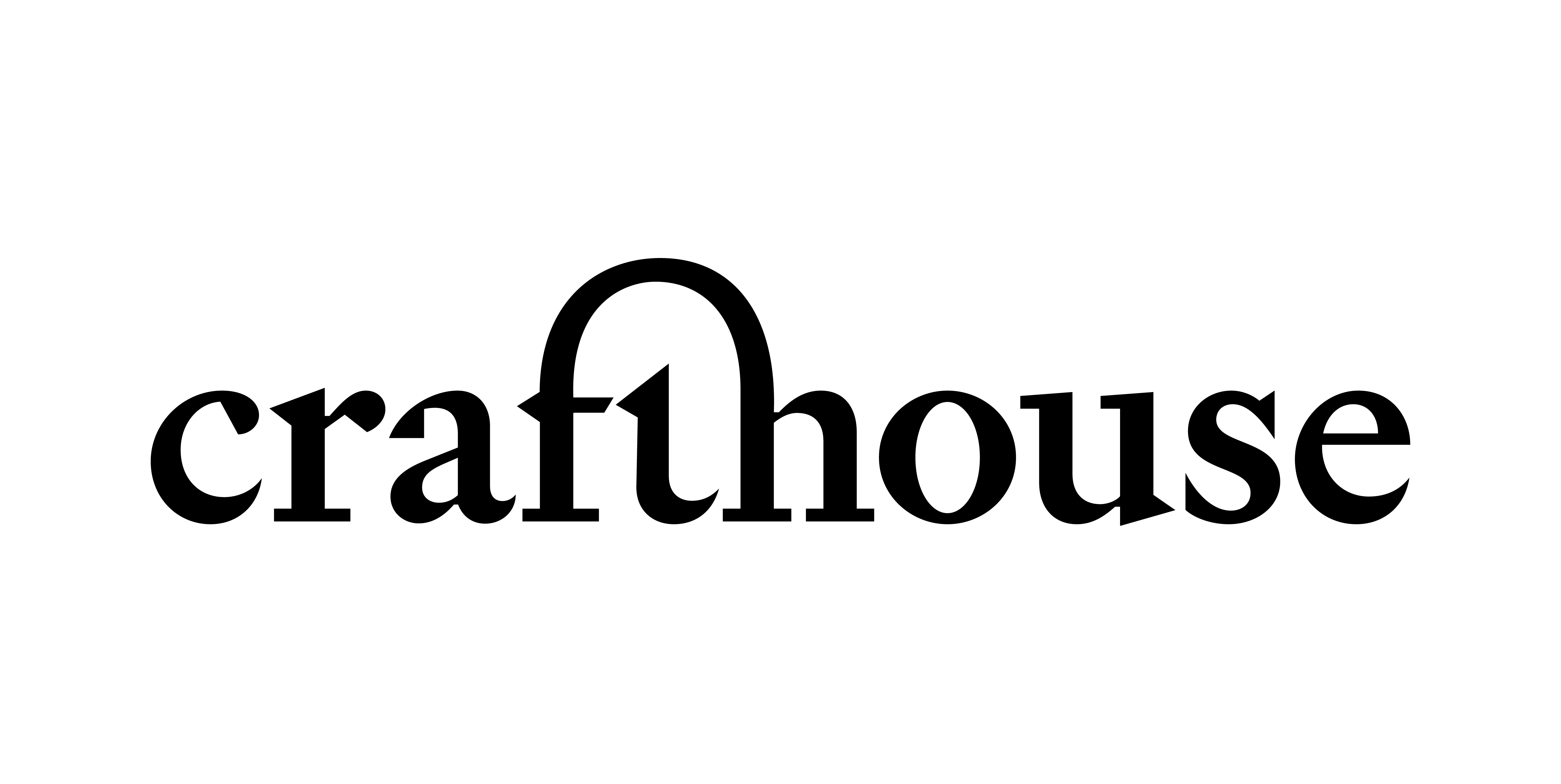
For example, in this stage I established the initial shapes of the final logo from the word “House” as I play with the shapes within the letterforms.
FEEDBACK PHASE – CONCEPT PRESENTATION
Semi-Final Concepts
FEEDBACK PHASE – CONCEPT PRESENTATION
Final Branding & Collateral
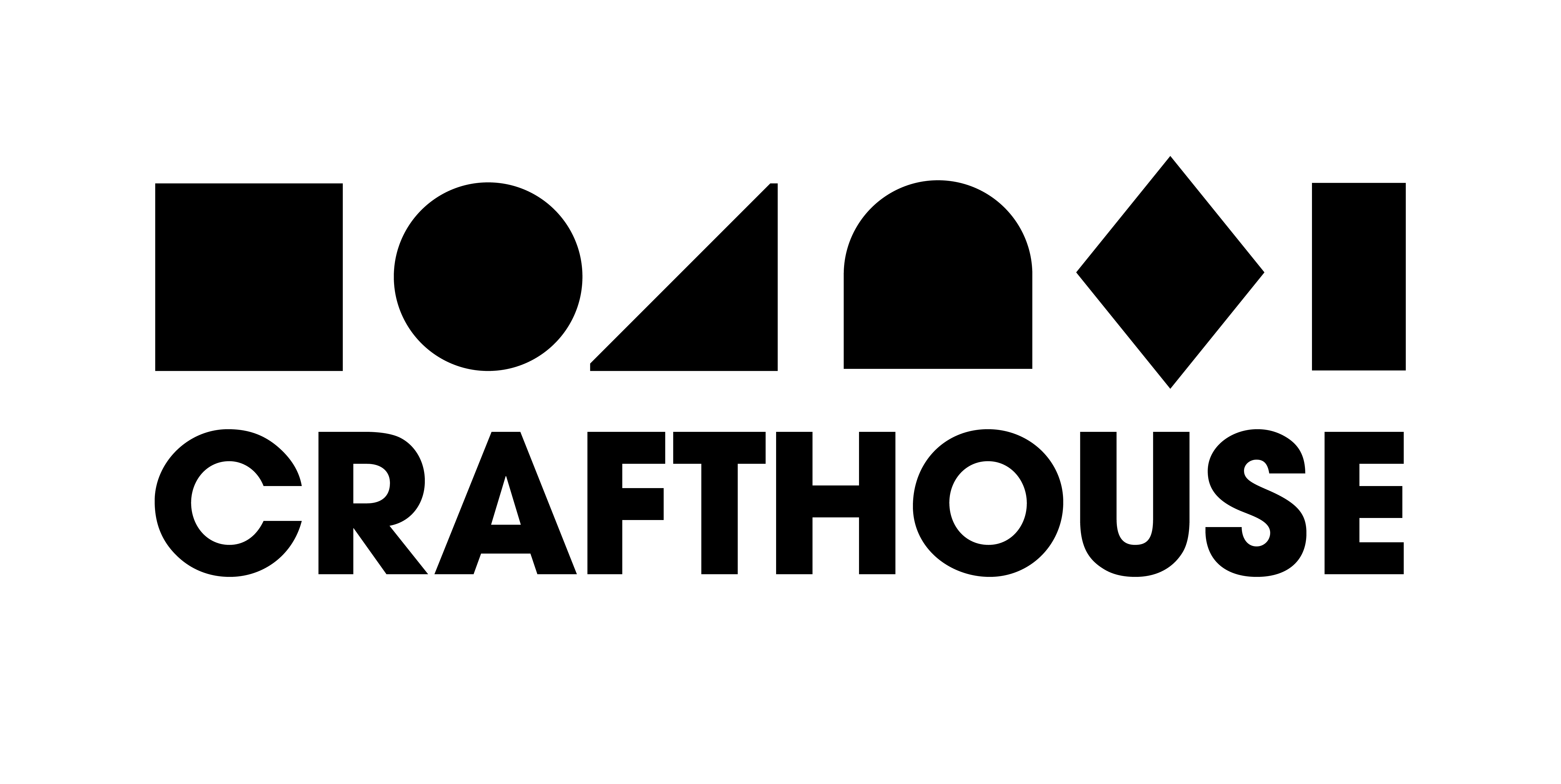
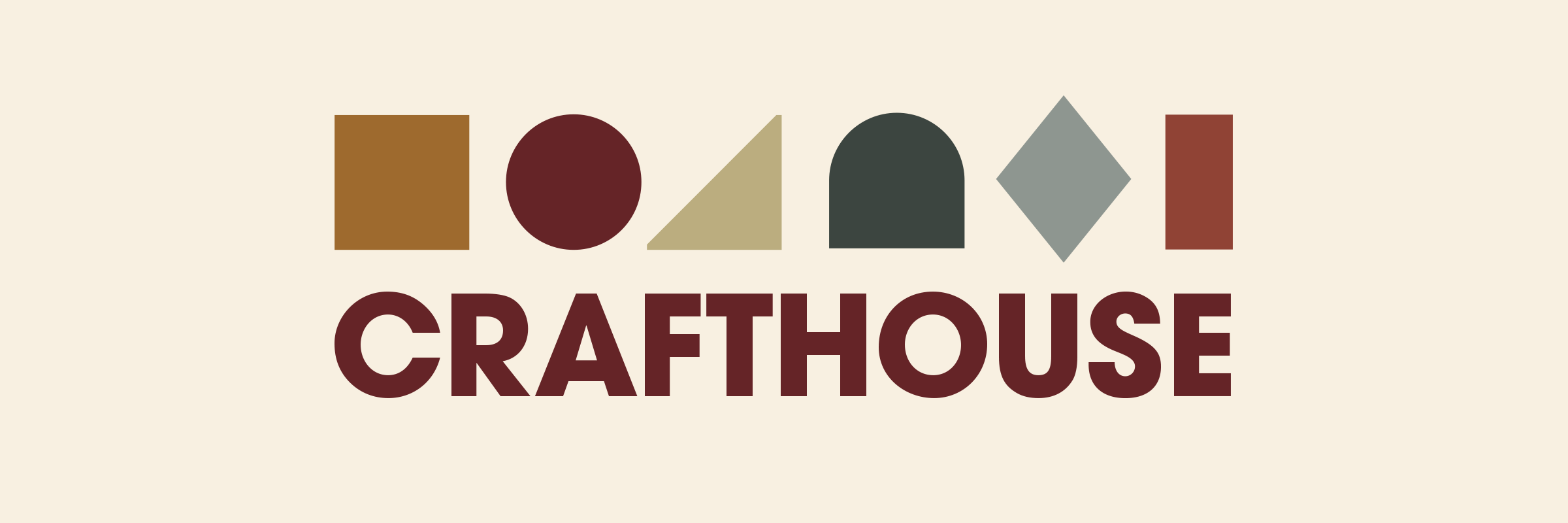
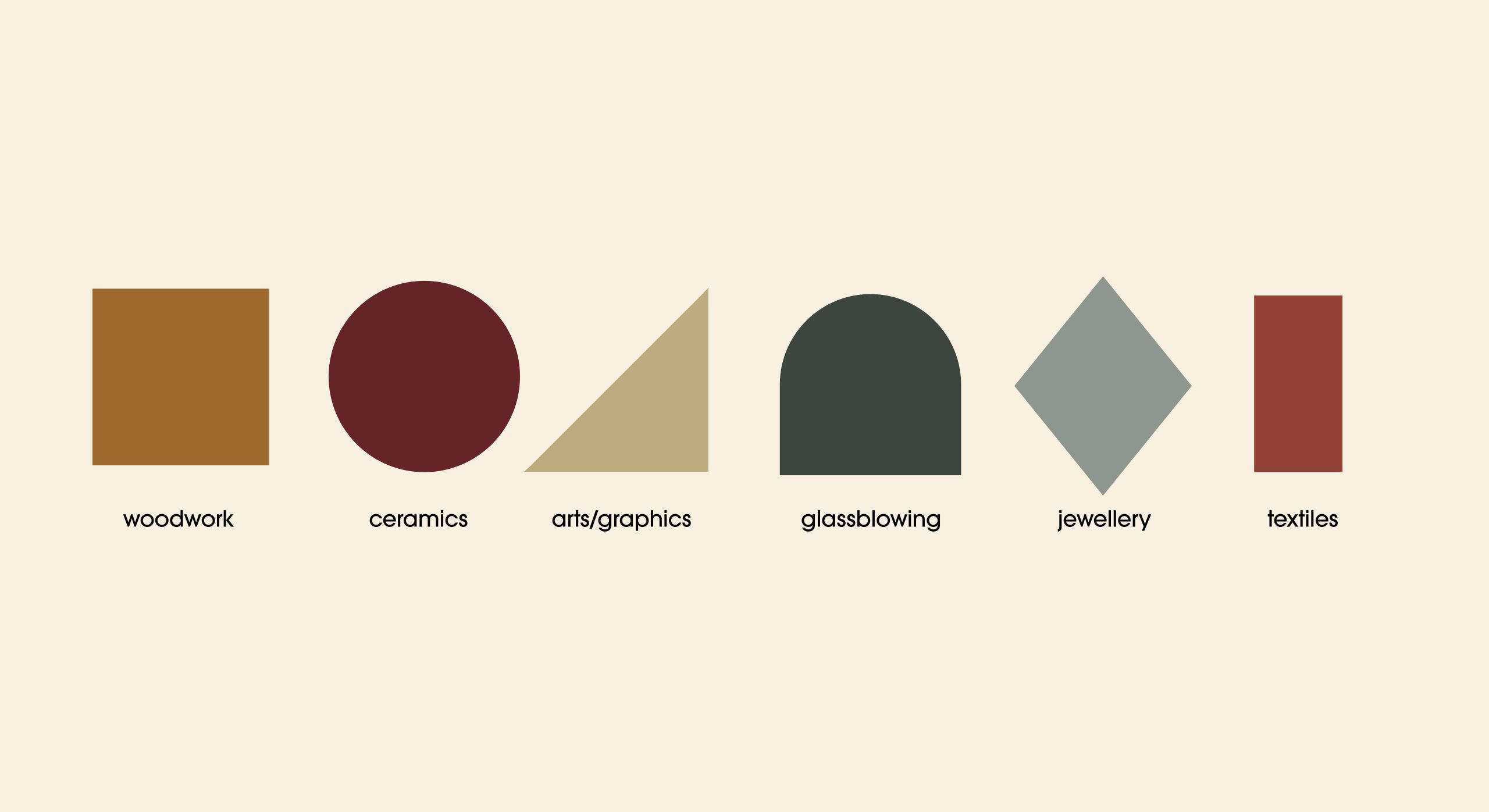
The winning brand choice was selected due to its flexible brand system and how it met the brief. Elegant, versatile yet simple, this brand reflects the complex but beautiful work of William Morris and the arts and crafts movement and can be rolled out over various platforms, with each shape representing an area of expertise within the artisan community.
Brand Rollout
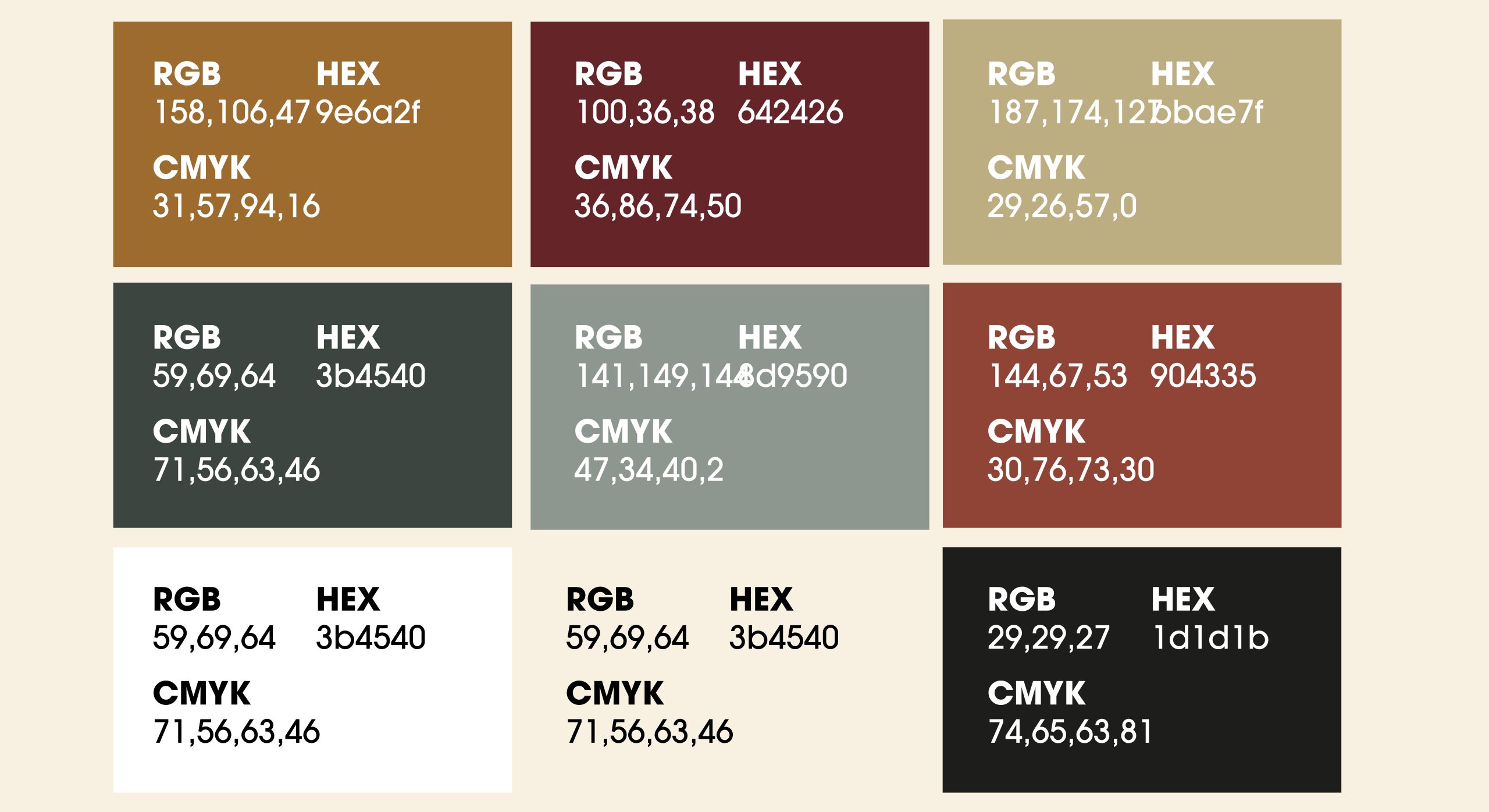
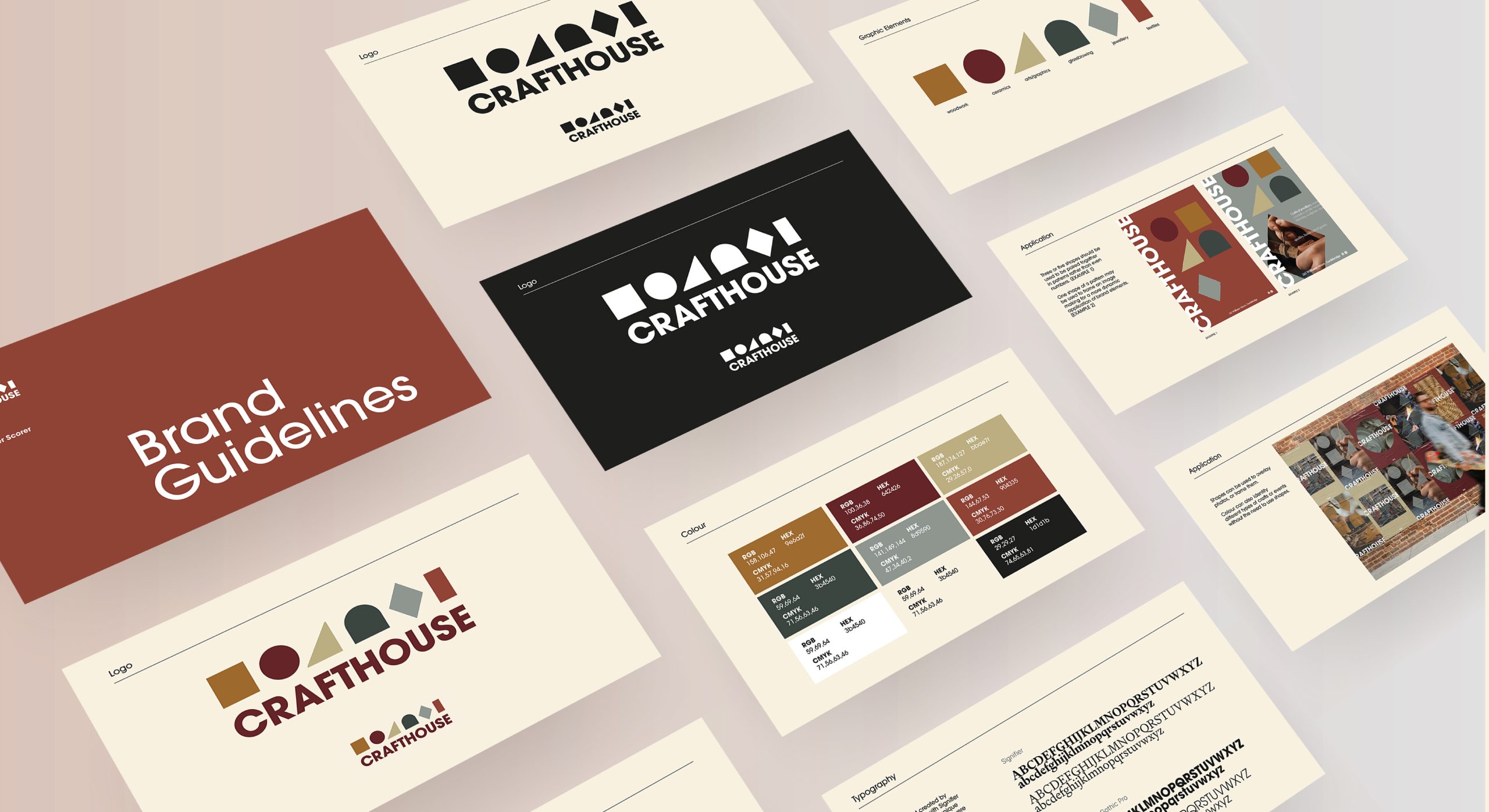
A brand guideline was created with examples of how the brand system could be applied as well as colour details, typography choices and shape usage.
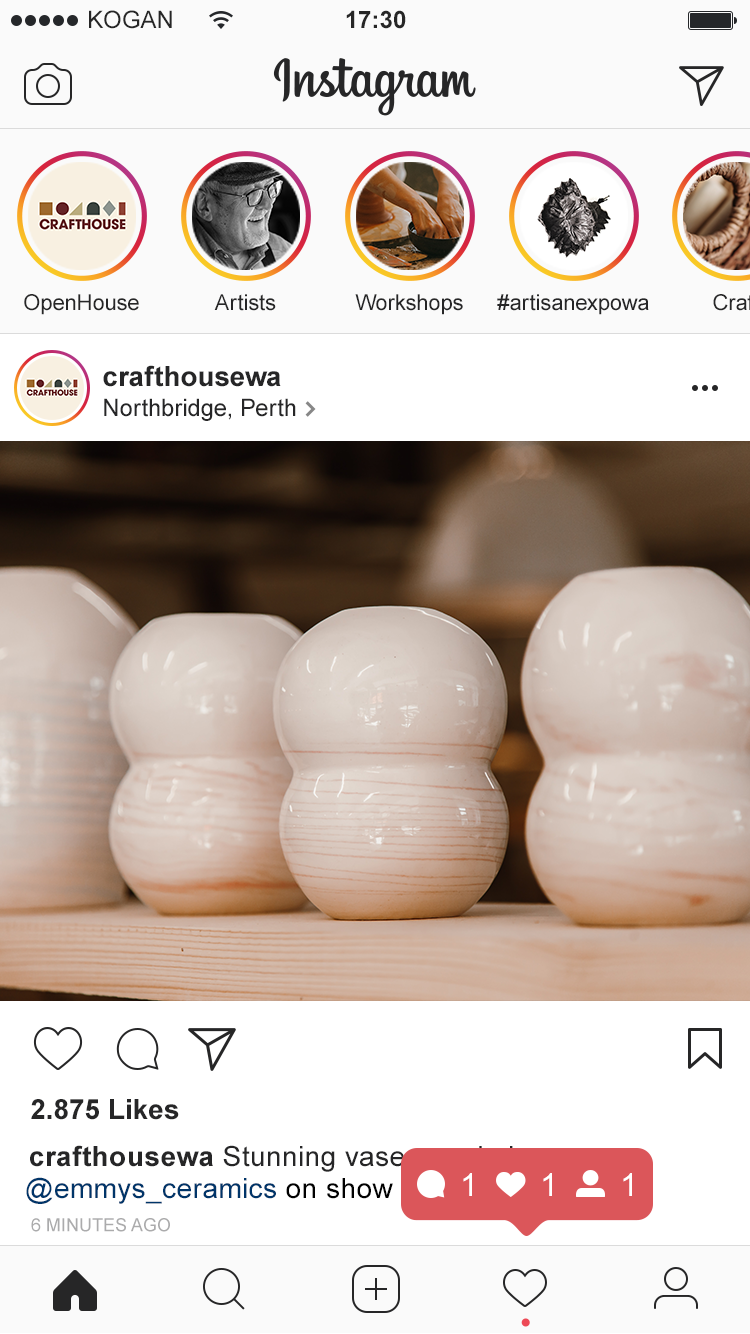
BELOW These shapes and colours represent the different artisans and crafts within the Crafthouse community. Here, an inidividual shape visually celebrates one type of craft but together they unite to become a beautiful graphic pattern.
Graphic Collateral
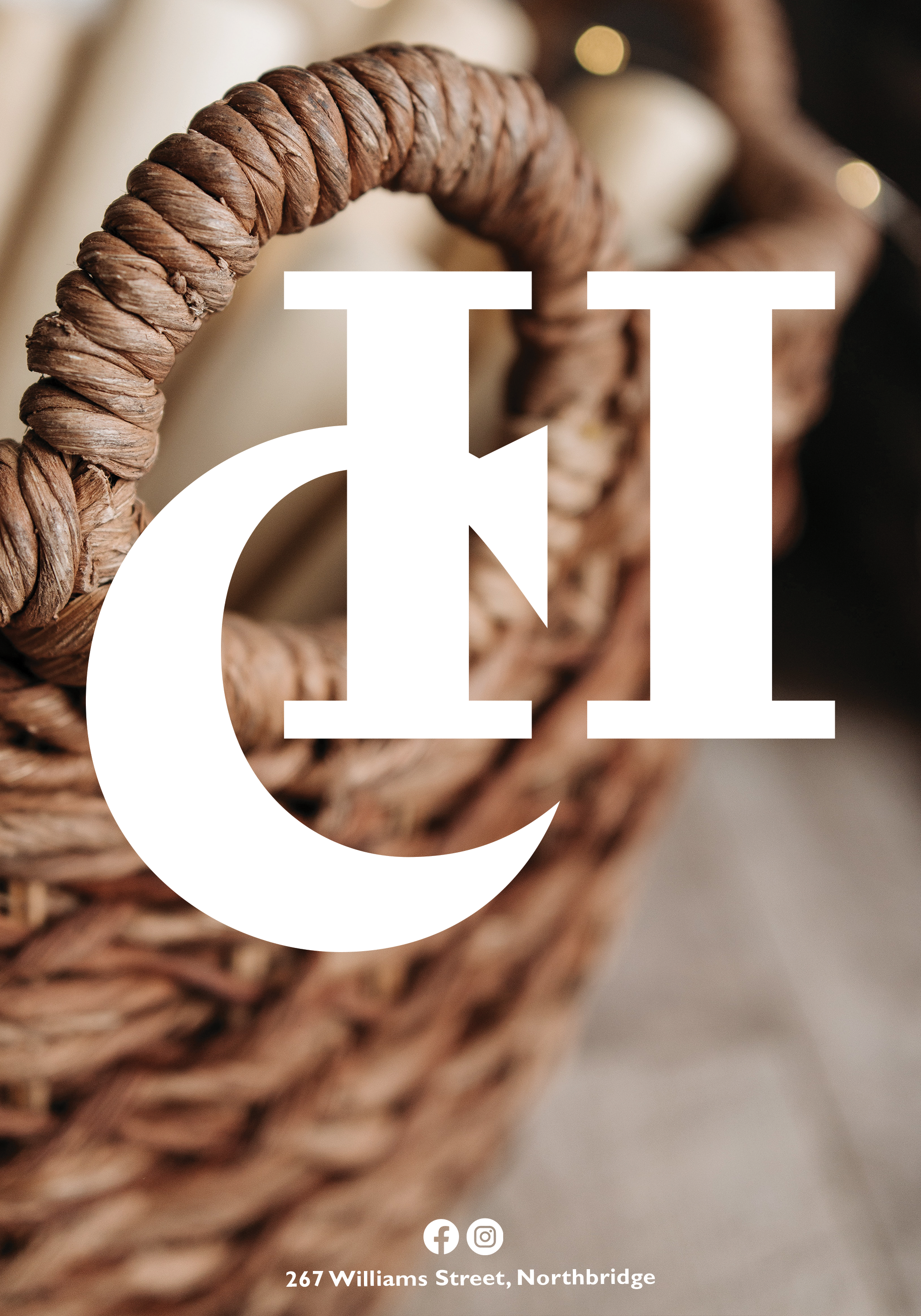
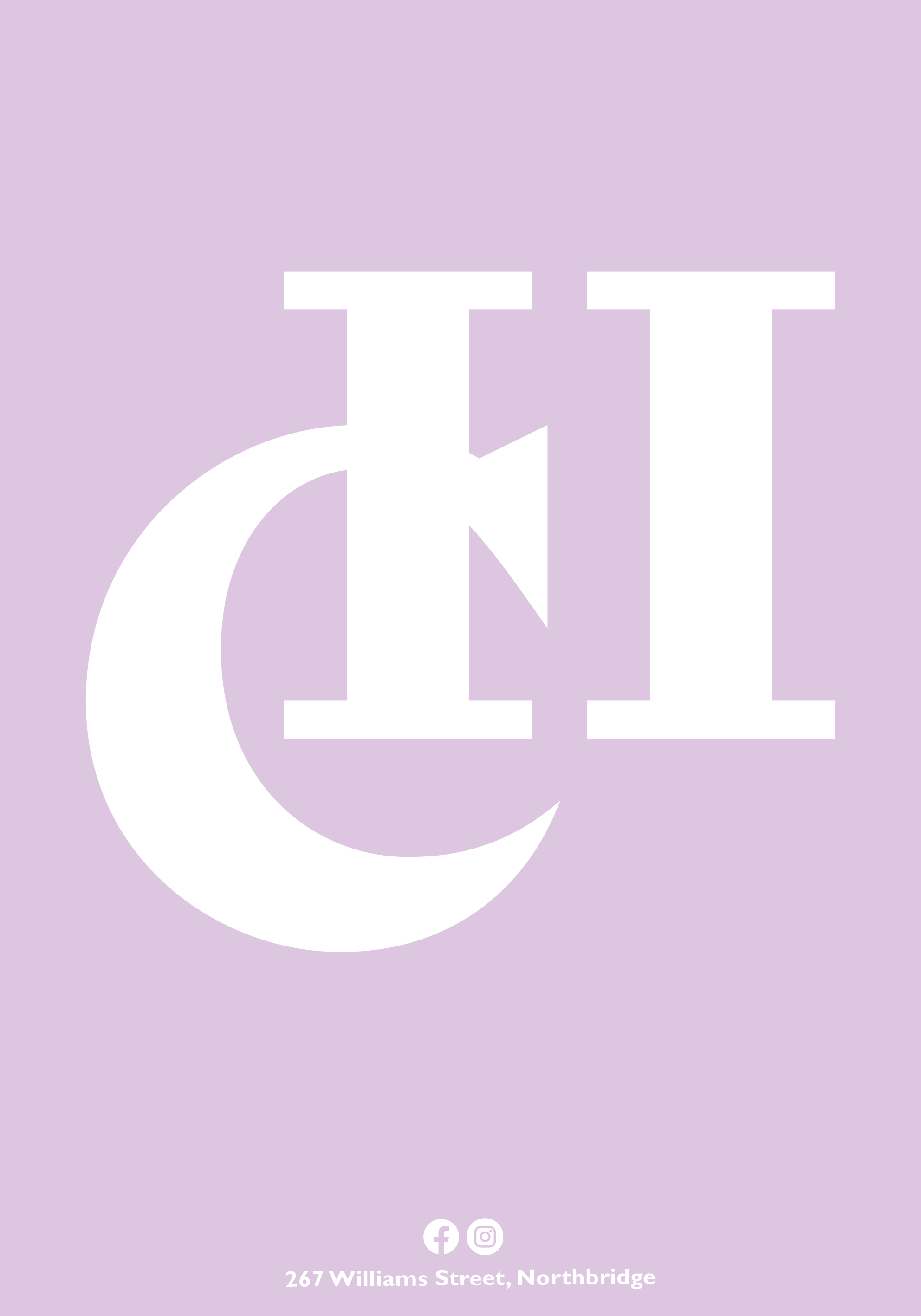
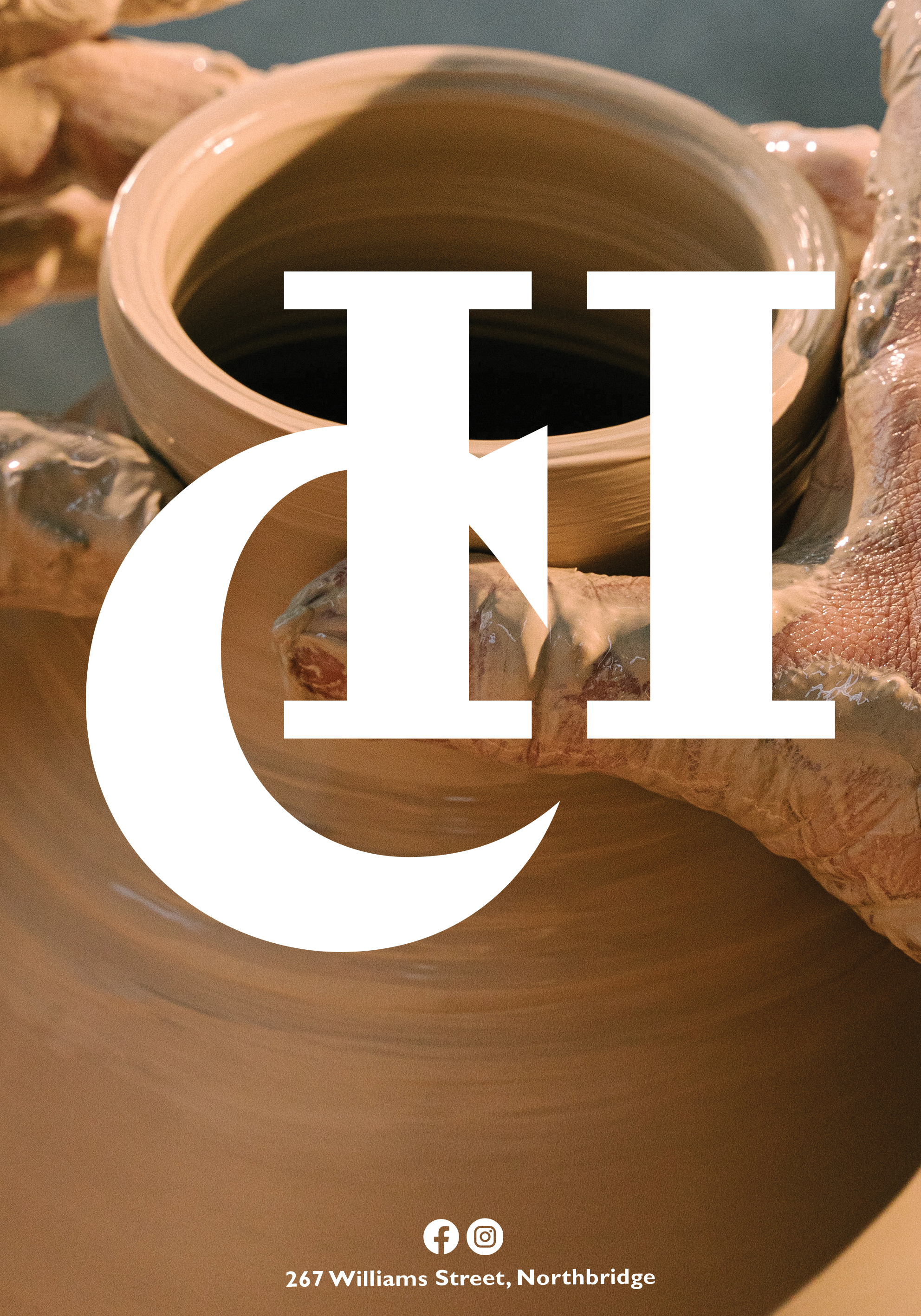
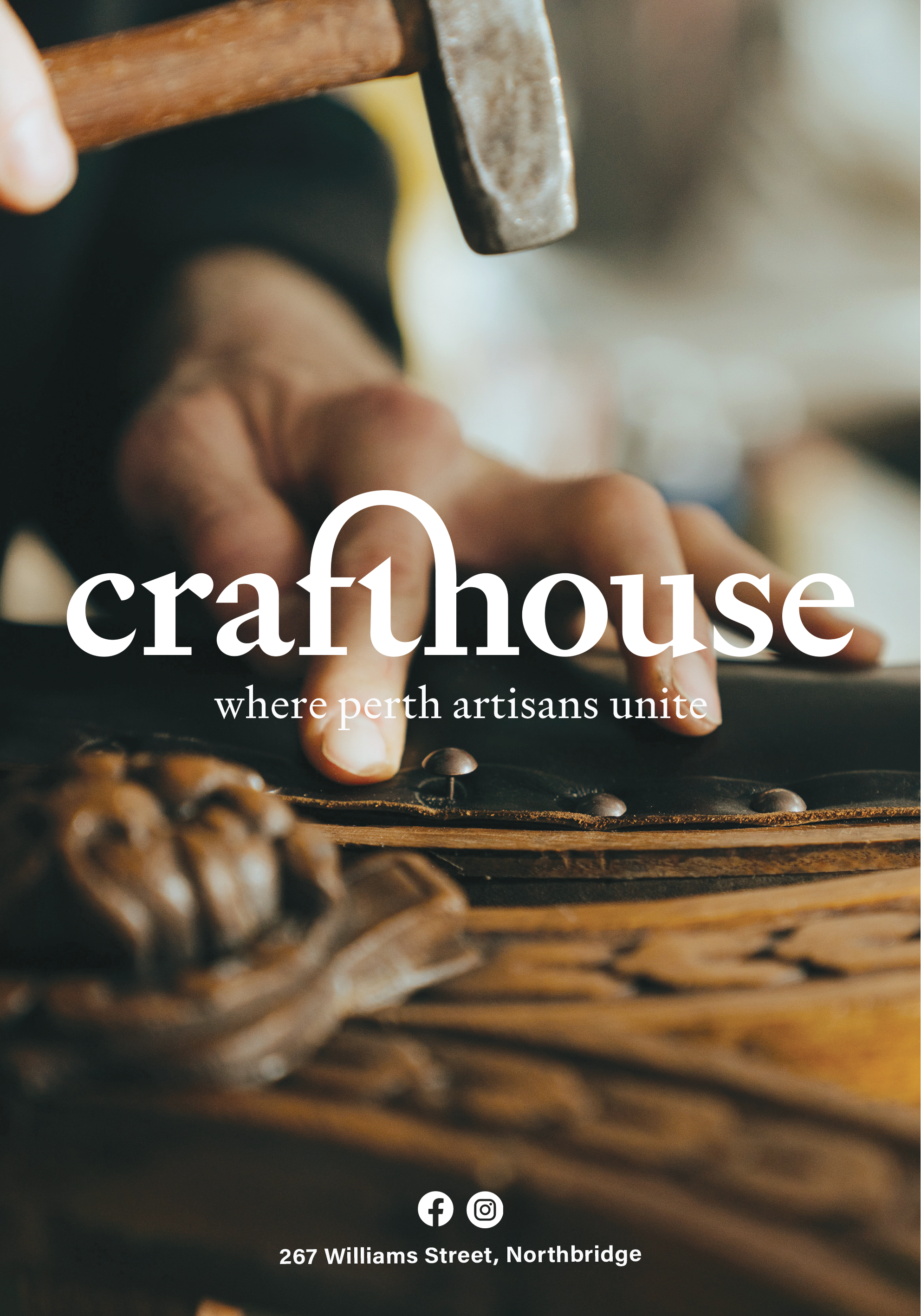
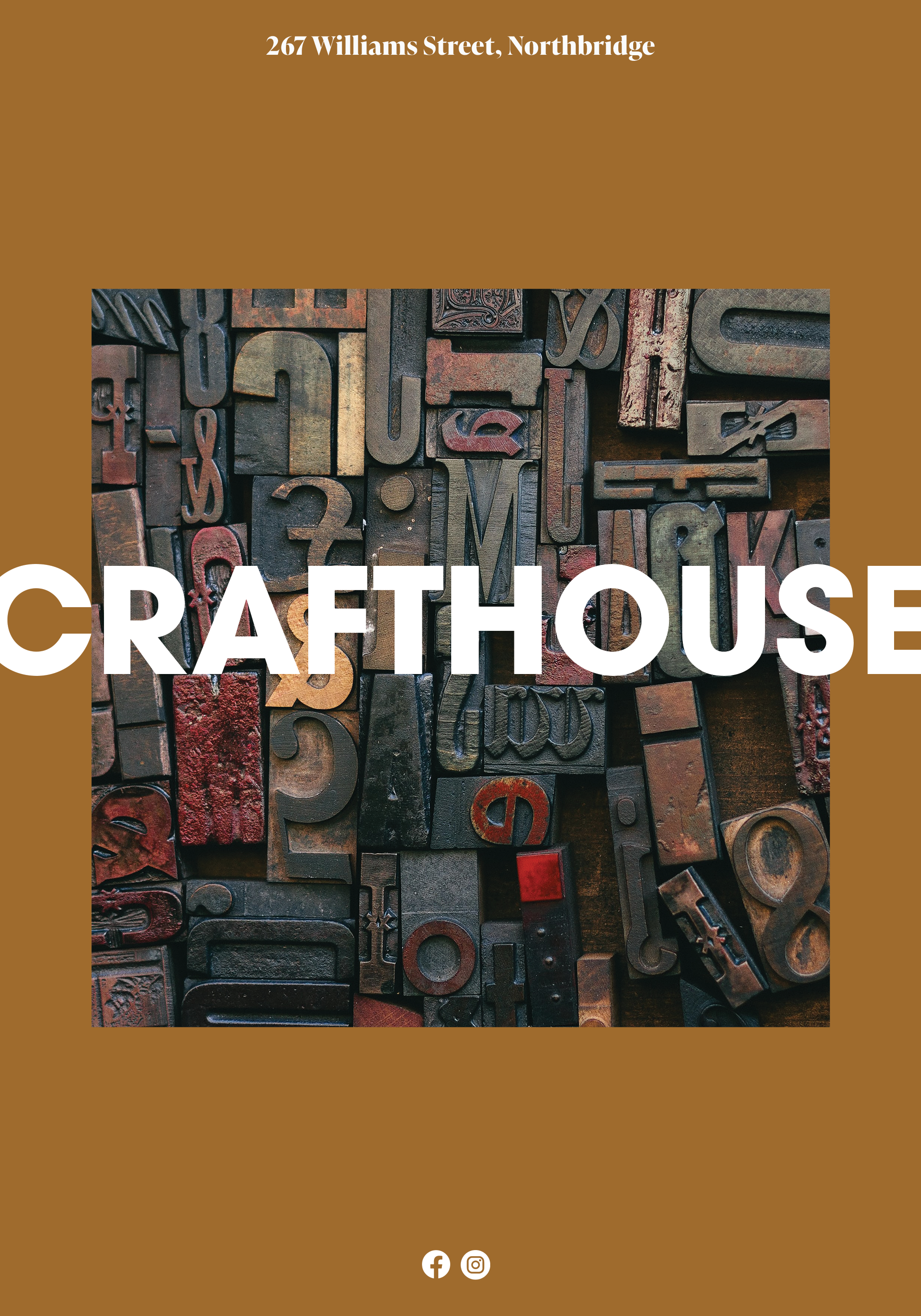
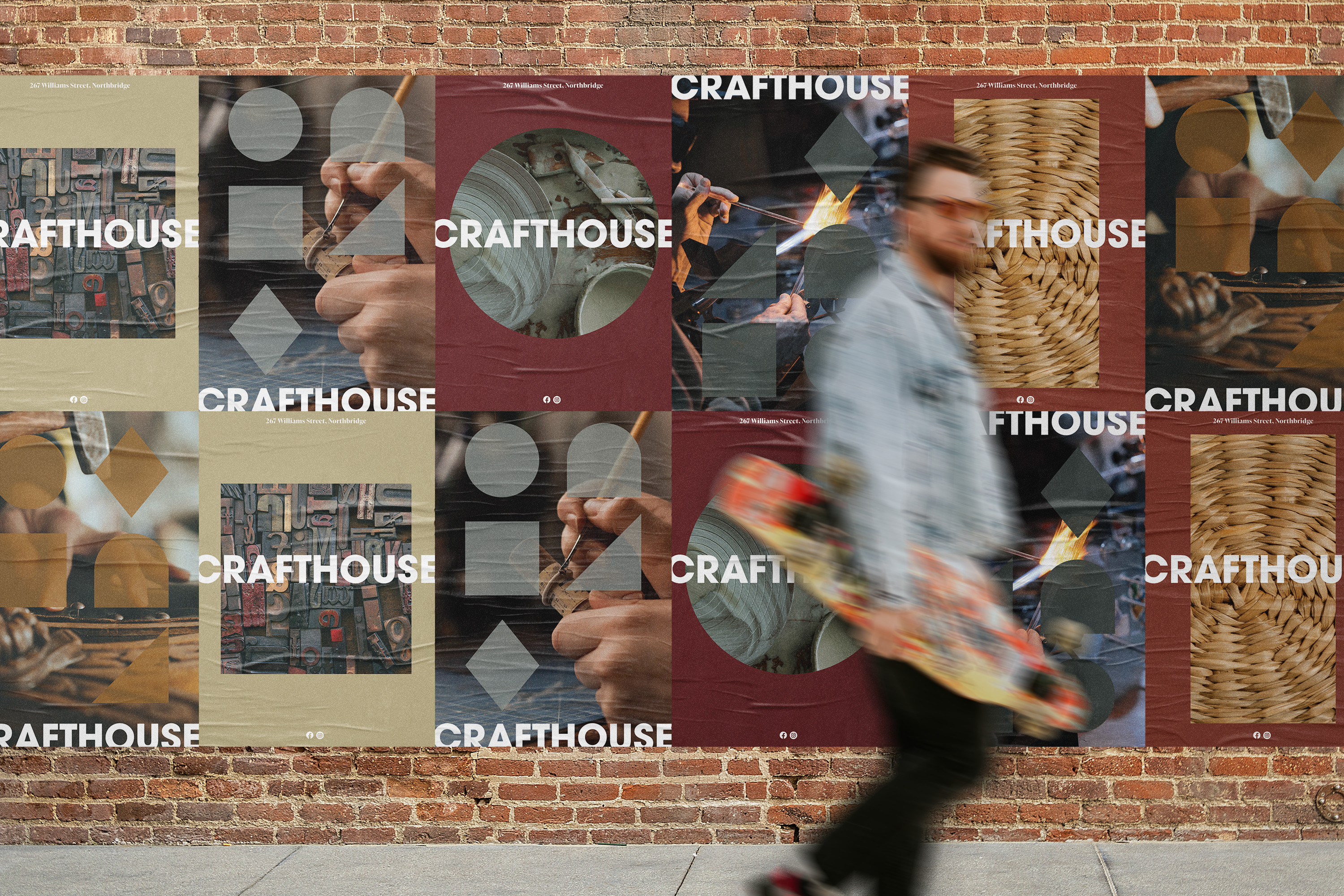
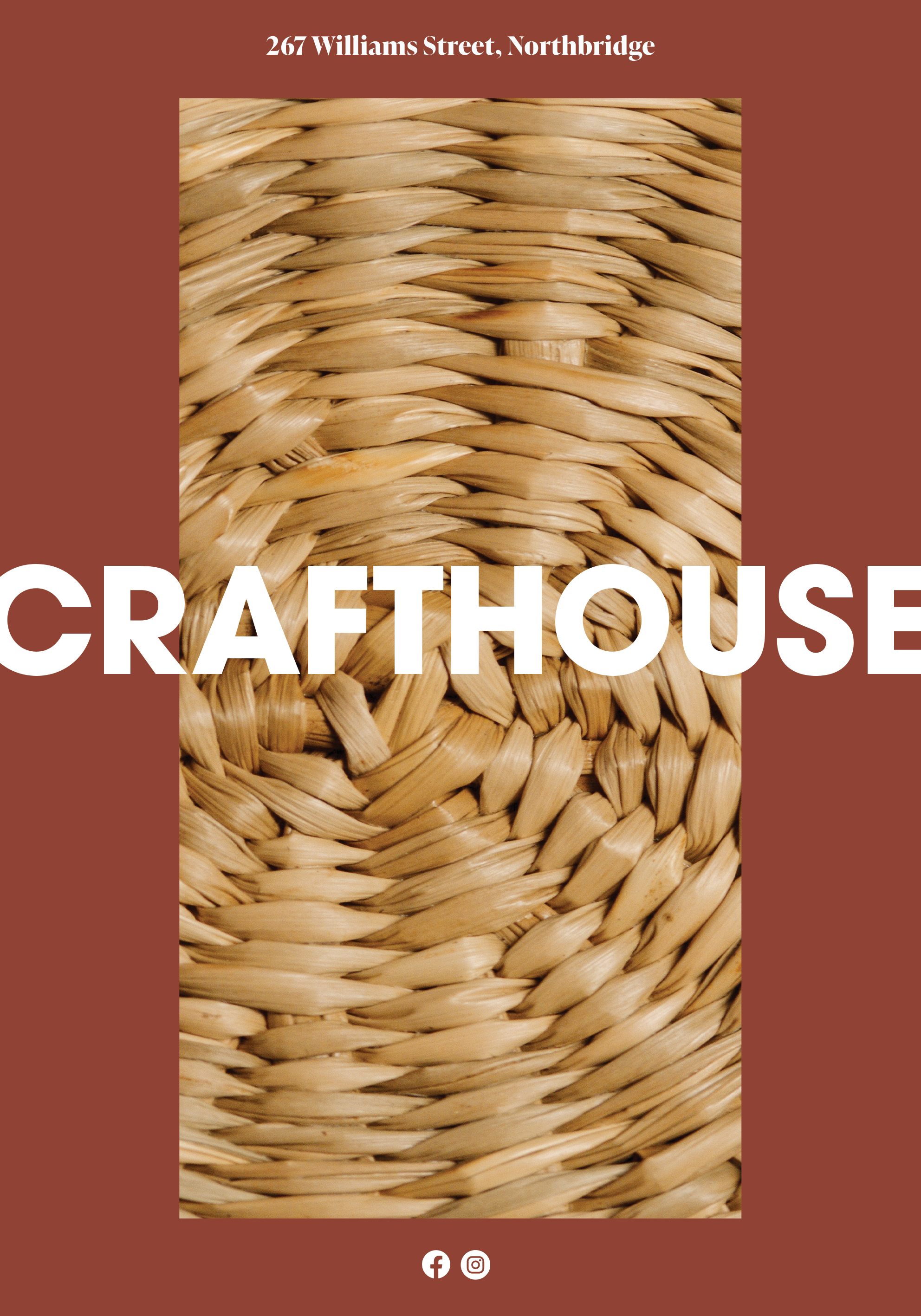
Application of the brand system across different platforms – shapes paired with photographcs used can be used to communicate different artisan practices in Crafthouse without any words needed.
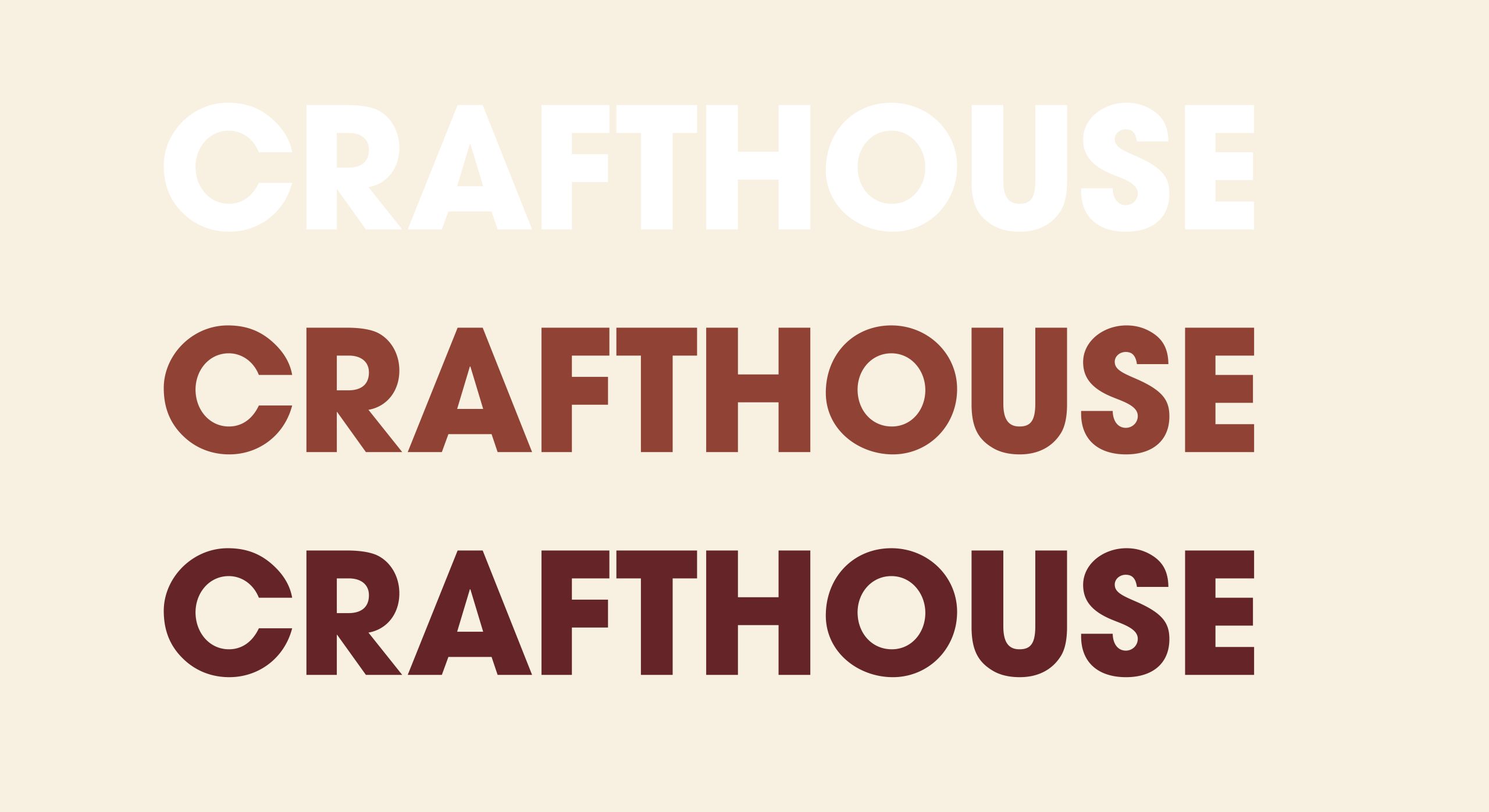
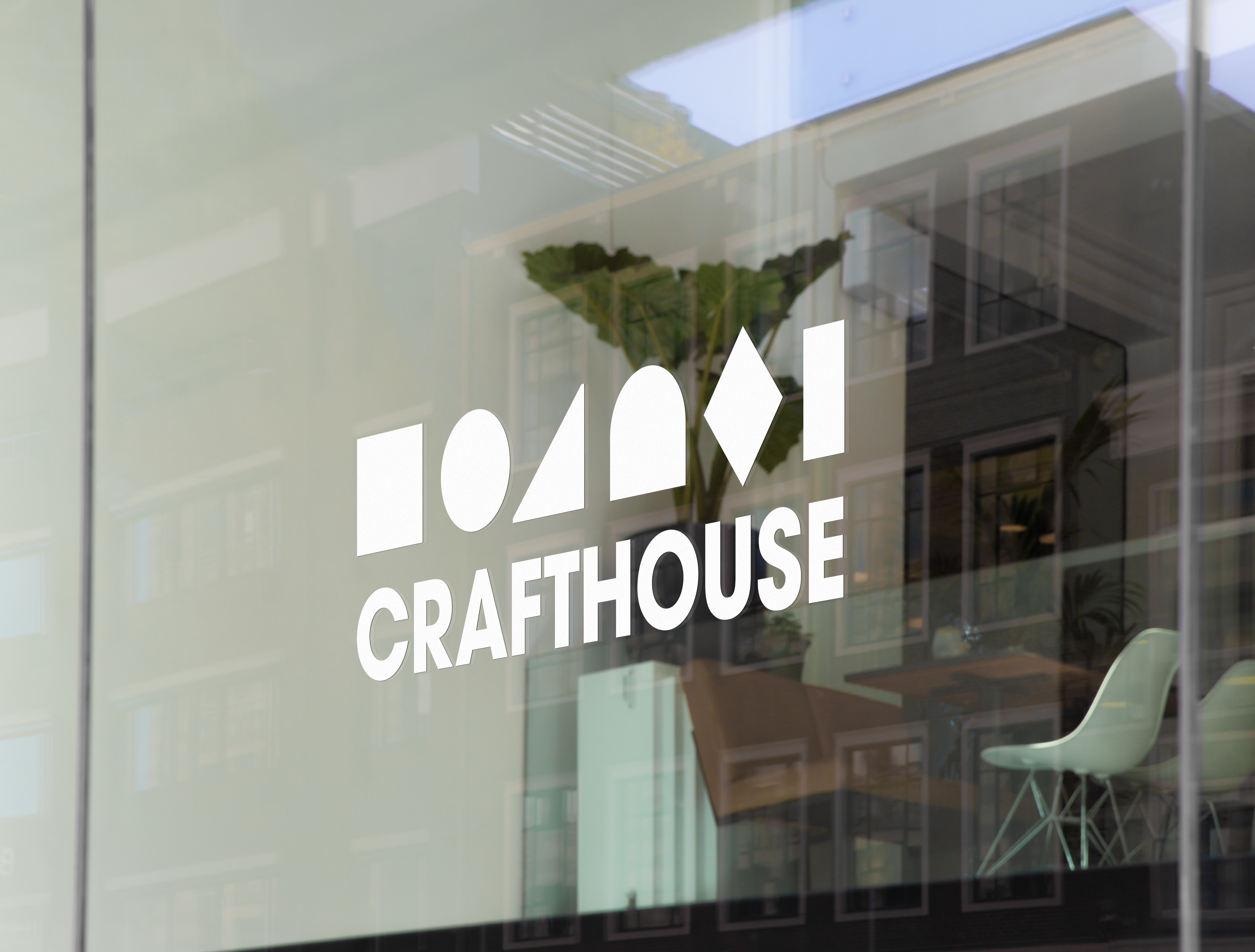
The logo in white communicates just as clearly as in colour and still looks beautiful.
Work With Us
Are you ready to get your creative hat on with me and make something special? If you think we might be a good fit or if you have any questions about working together on a project, please feel free to say hello here.
Contact Us
Studio
Hammond Park, WA 6164